
NEWYou can now listen to Fox News articles!
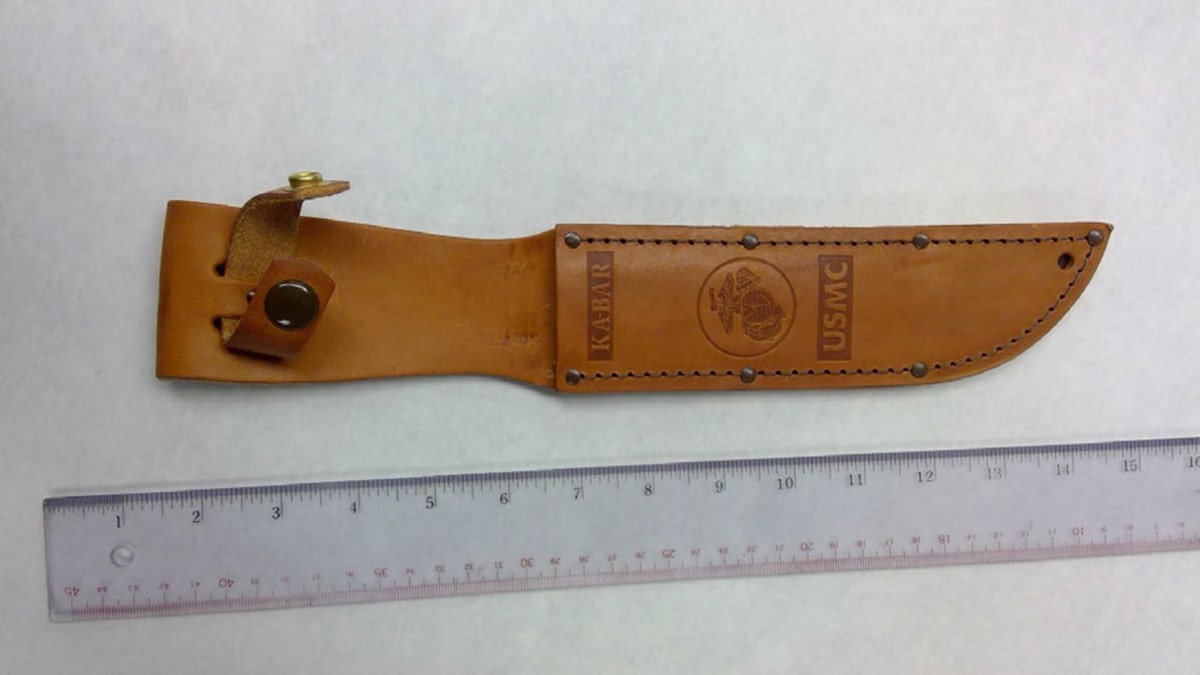
EXCLUSIVE: A new book reveals what Bryan Kohberger’s trial defense would have looked like had he not changed his plea in the Idaho student murders weeks ahead of trial and reveals the defense could have argued for the most critical evidence in the case — a Ka-Bar knife sheath — to be tossed.
Christopher Whitcomb’s “Broken Plea: The Explosive Search for Truth Behind the Idaho Murders,” draws on previously unseen expert reports and other materials that were never presented publicly in court after Kohberger pleaded guilty weeks before his trial date.
In an exclusive interview with Fox News Digital, Whitcomb revealed that a defense expert raised serious chain of custody concerns surrounding the sheath found in victim Madison Mogen’s bed.
EMAILS REVEAL HOW CAMPUS POLICE TRACKED DOWN BRYAN KOHBERGER’S CAR WEEKS BEFORE HE BECAME A SUSPECT
“It is plausible for someone to argue that the chain of custody would have led to significant problems for the prosecution in presenting evidence of any kind of DNA, and if that were to be excluded, then you have a white car and you have the cell tower pings,” he said. “I would say, fundamentally, looking at this case fundamentally, that problem is the biggest problem the prosecution would have had.“
Brent Turvey, a criminologist and forensic scientist hired by the defense, said he became aware of the chain of custody issue after filing his expert report to meet a court deadline.
IDAHO MURDER VICTIMS’ FAMILIES OUTRAGED AFTER CRIME SCENE PHOTOS ACCIDENTALLY RELEASED
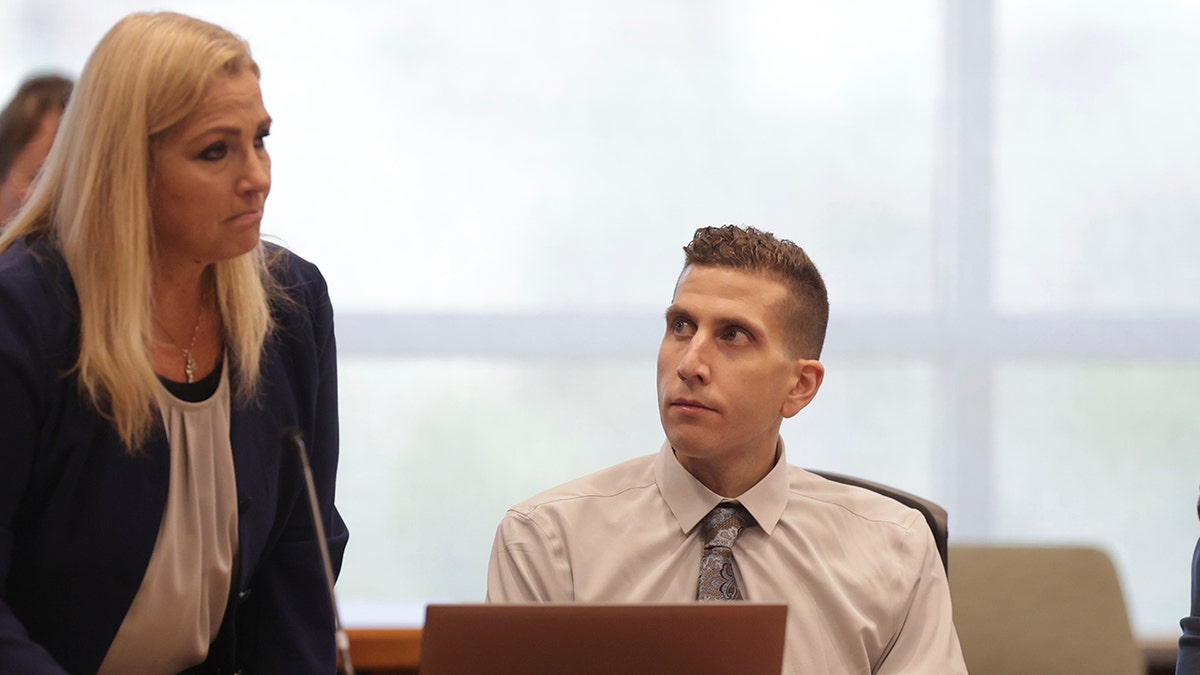
“If this had gone to trial, this piece of evidence should have, by any competent jurist, been ruled inadmissible,” he said of the sheath. “In most cases, in most jurisdictions, it would be.”
No judge or jury has evaluated that claim.
“The problem is a chain of custody form is supposed to be something that is created live,” Turvey said Wednesday. “So, if I take a bag of evidence and I retrieve it, I sign that I’ve retrieved it, put my signature on it, the date, you know, that kind of stuff.”
The evidence bag appears to have been filled in twice. Once on the bag itself, and later on a sticker attached to the front.
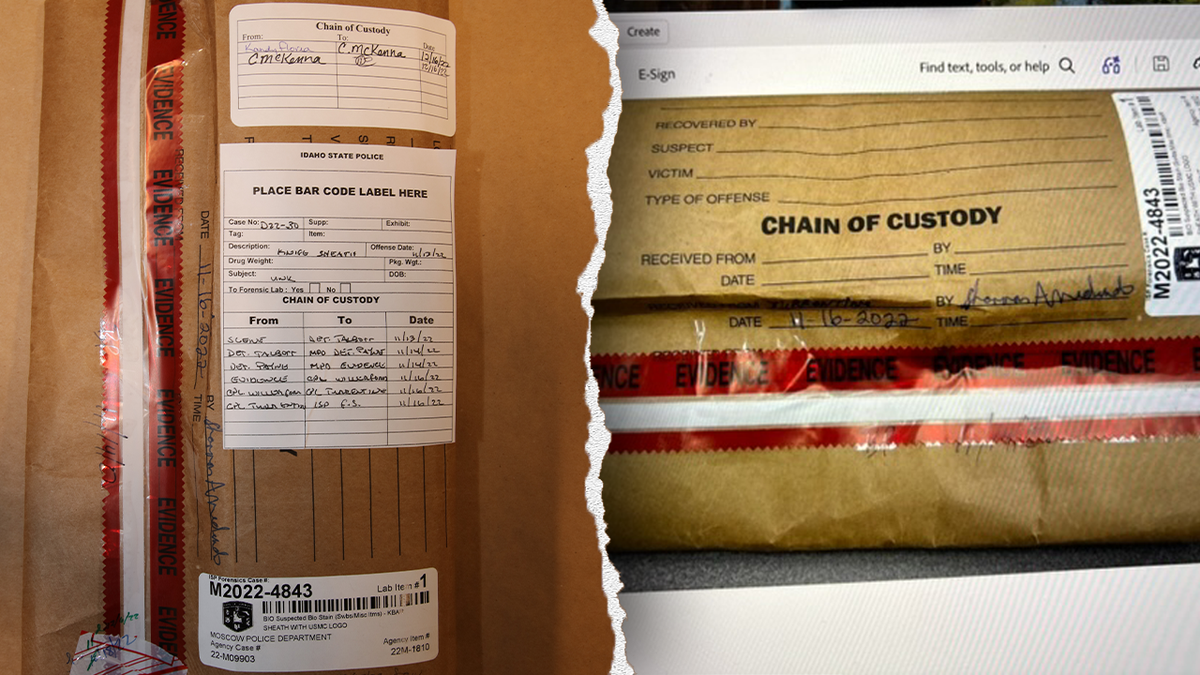
The earliest date visible on the bag are the initials “BP,” likely belonging to lead detective Brett Payne, and the date “11/14/22,” written over the evidence tape sealing the bag. Another signature appears to be from Shannon Arredondo, a forensic specialist with the Idaho State Police crime lab, signed and dated the bag again on Nov. 16. The label, affixed sometime later, has six recorded exchanges between Nov. 13 and Nov. 16 written by a single pen in similar handwriting, according to Turvey.
Kohberger’s defense team, led by Idaho attorney Anne Taylor, did not pursue his findings before the plea deal, however, Whitcomb said. She did not respond to a Fox News Digital request for comment.
“There are significant issues with motive, means, mechanism. There are so, so many screaming questions that nobody will ever have answers to.” — Christopher Whitcomb, author
If the paper trail is flawed as alleged, that doesn’t necessarily mean investigators botched the case, said Paul Mauro, a retired NYPD inspector and Fox News contributor.
“But what it could point to is that is a vulnerability in the case, so they take a plea,” he said. “They could have been concerned about losing a juror on that. On the other hand it’s very indicative of what you do when you have absolutely no defense, you put the procedure on trial, instead of the facts.”
Mauro, after reviewing images of the evidence bag, said he didn’t see a significant problem for the prosecution.
That’s just one element of Kohberger’s defense that never faced jury scrutiny, and Whitcomb said he reviewed thousands of pages of additional documents that he didn’t have room to write about.
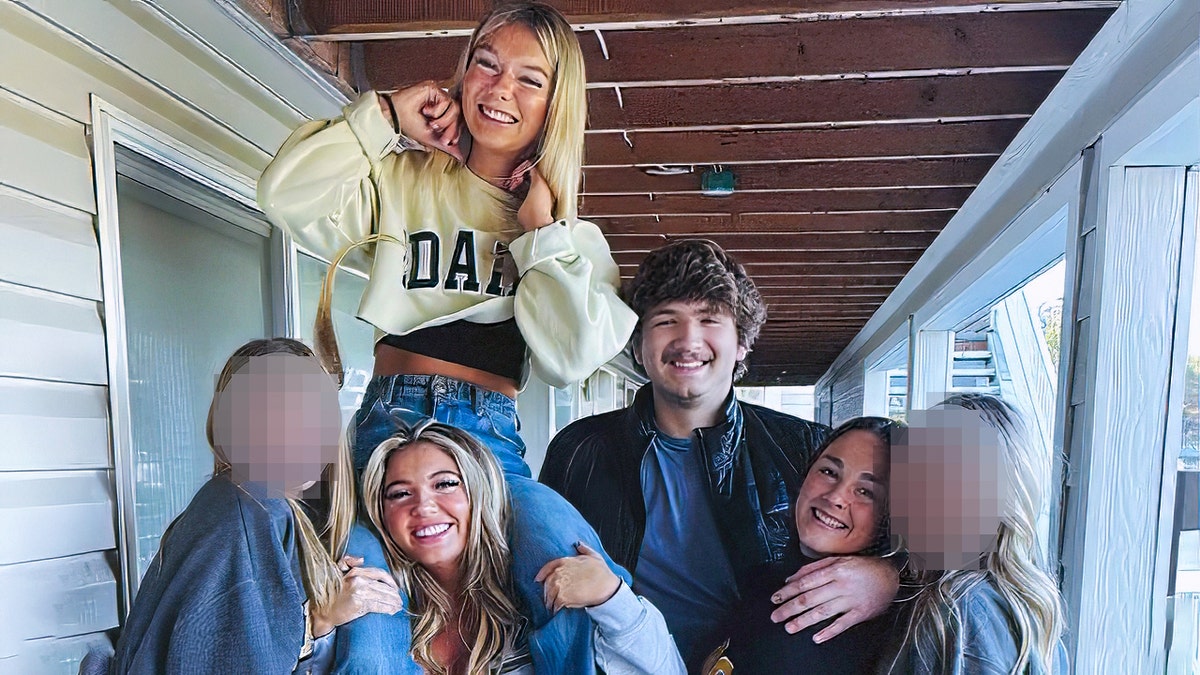
A second key element in “Broken Plea” is speculation surrounding wisps of hair photographed at the crime scene in, or at least beneath, Ethan Chapin’s hand.
“To the best of my knowledge, that hair to this day has never been processed or tested,” Whitcomb told Fox News Digital.
Turvey, a senior partner at Forensic Solutions LLC who has testified at more than 70 trials, found the hair when he traveled to Moscow, Idaho, to review evidence in person.
BRYAN KOHBERGER CASE: SURVIVING ROOMMATE SAW XANA KERNODLE ON FLOOR AFTER ENCOUNTER WITH MASKED INTRUDER
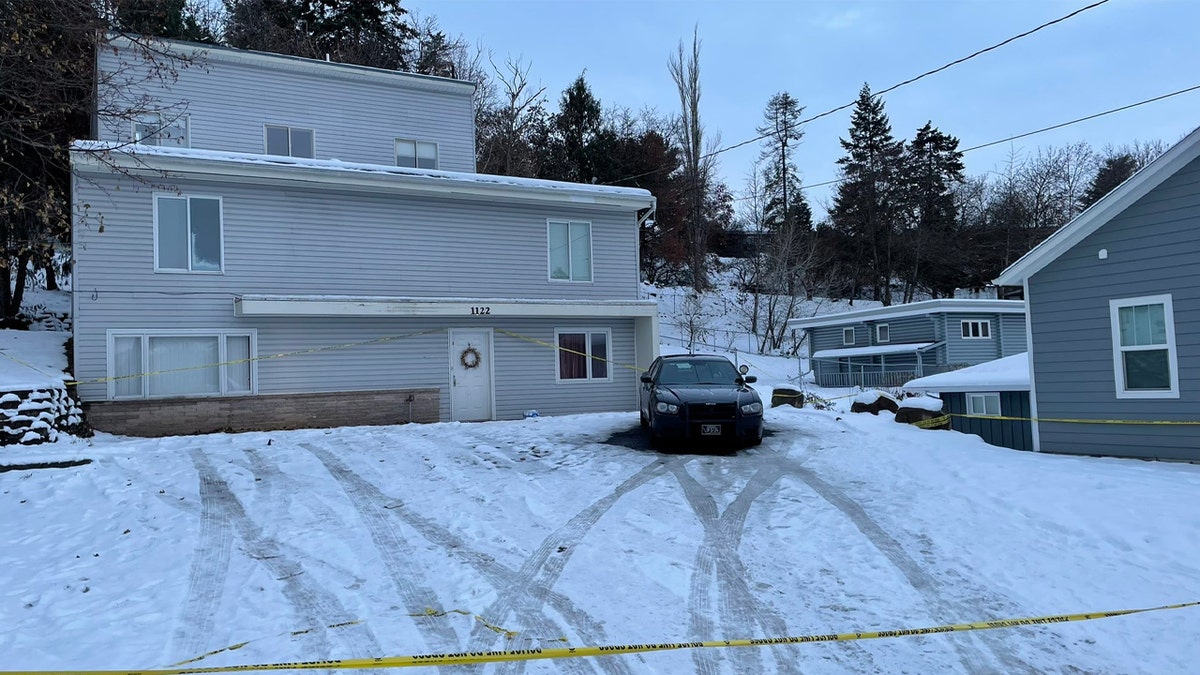
“The FBI lab said Kohberger is excluded,” Turvey told Fox News Digital. “This is not his hair.”
As to who it belongs to, the answer remains unclear.
“When I saw this information, it changed my perspective on everything, and that’s how it started,” Whitcomb said, describing his motivation to write the book.
Fox News Digital has reached out to Idaho State Police and the Moscow Police Department for comment.
The author is a former member of the FBI’s Hostage Rescue Team and early member of the bureau’s Violent Criminal Apprehension Program. He plays in a band, spent years as a journalist and congressional speechwriter, and has written a half-dozen other books.
“I don’t feel it’s my place to challenge what [Kohberger] told the world,” he said in an interview Tuesday. “I’m not saying this is a wrongful conviction. He pleaded guilty. He’s a well-educated, intelligent, grown man.”
Jurors never had a chance to weigh in after Kohberger’s unexpected guilty plea last year, when he admitted to the Nov. 13, 2022, murders of Mogen, 21, Kaylee Goncalves, 21, Xana Kernodle, 20, and Chapin, 20.
BRYAN KOHBERGER’S PROFESSOR CALLED OUT HIS ‘ASSUMPTION’ ABOUT LOCAL COPS BEFORE IDAHO STUDENT MURDERS
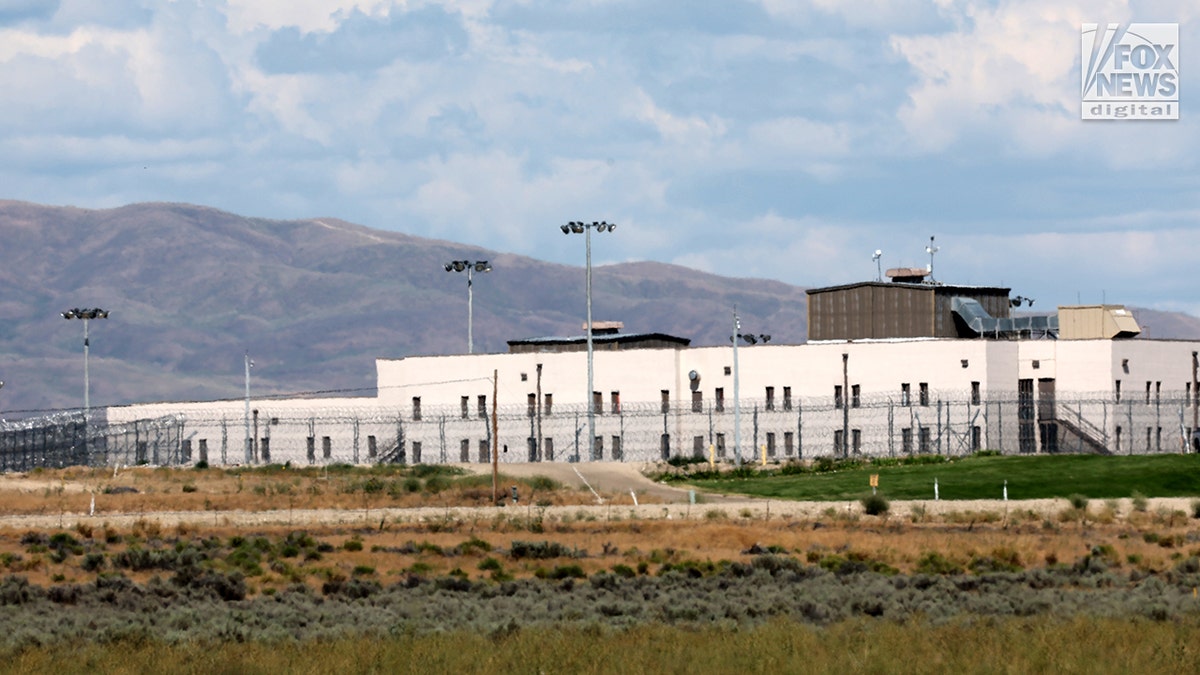
The plea landed him in prison for the rest of his life, with no chance of parole, but he avoided the death penalty. He offered no explanation for the crimes, shared no motive and offered no new information.
Prosecutors have said Kohberger remained inside for about 15 minutes, although the initial police affidavit doesn’t describe the exact time he went into the house. Whitcomb notes the defense narrative that the attacks took place in less than five, inconsistent with the hours Turvey suspects the crime scene cleanup would have taken.
While there were many outside experts on the case, Whitcomb focuses on three, T. Paulette Sutton, a forensic scientist specializing in blood spatter analysis for the prosecution; Turvey, for the defense; and Christopher Holland, a retired FBI agent and forensic criminologist also working for the defense.
Sutton, who did not respond to a request for comment, concluded in her peer-reviewed report that there was “no physical evidence to exclude a single perpetrator causing the death of these four individuals.” Turvey believes there were at least two.
Both of their reports have been reviewed by Fox News Digital. They contain graphic crime scene images not suitable for publication.
FOLLOW THE FOX TRUE CRIME TEAM ON X
Whitcomb also obtained access to materials not mentioned in the book, which he told Fox News Digital include images of the evidence bag containing the Ka-Bar sheath, one with a chain of custody form attached and one without.
Whitcomb raised a number of issues that Taylor and the rest of Kohberger’s defense team never got a chance to present to a jury.
SIGN UP TO GET TRUE CRIME NEWSLETTER
Kohberger pleaded guilty on July 2, 2025, admitting to all four murders and felony burglary in a deal that spared him from the potential death penalty.
On the night of the murders, he searched Google for local police dispatch audio, according to public records tied to the case. He powered off his phone before the murders and turned it back on after them. While investigators found none of the victim’s DNA in his car after they seized it in Pennsylvania, an FBI analyst determined soil on a shovel found inside it matched dirt from the Moscow area.
SEND US A TIP HERE
At sentencing, he sat through victim impact statements showing no emotion, as the victims’ families and surviving roommates excoriated him in their impact statements.
“Truth be told, I’m unable to come up with anything redeeming about Mr. Kohberger,” Judge Steven Hippler said at the hearing. “His grotesque acts of evil have buried and hidden anything that might have been good or intrinsically human about him.”
LISTEN TO THE NEW ‘CRIME & JUSTICE WITH DONNA ROTUNNO’ PODCAST
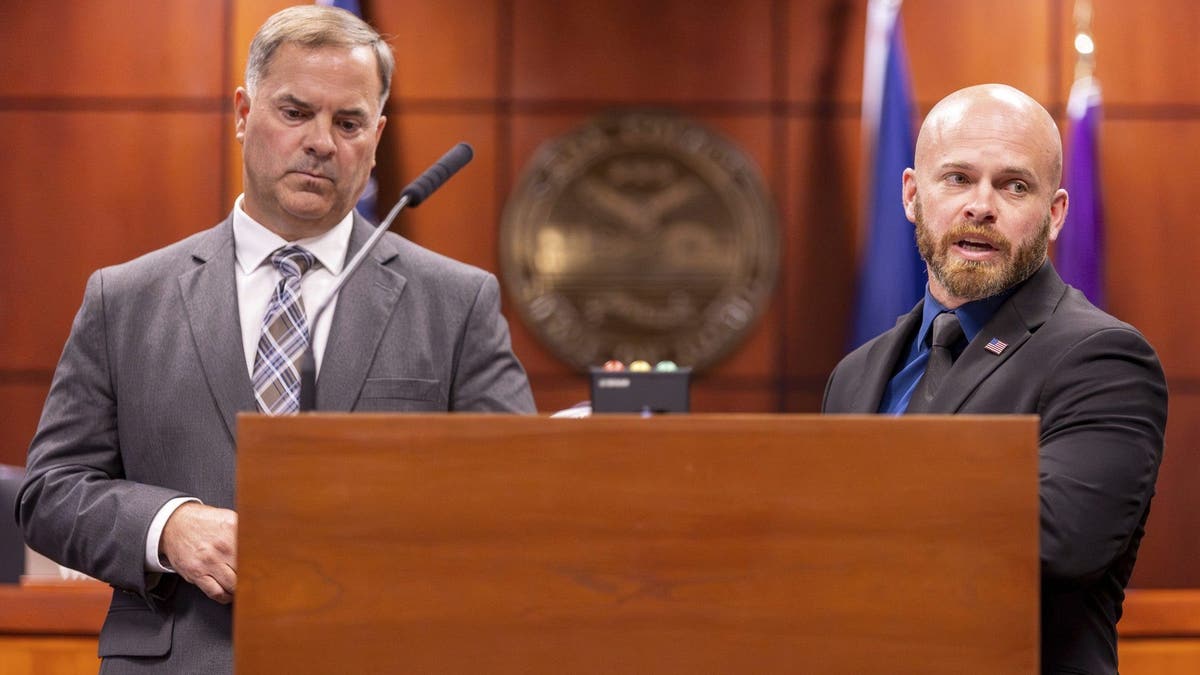
Hippler handed down a sentence of four consecutive terms of life in prison with no parole, plus another 10 years.
As part of the plea, Kohberger forfeited his right to appeal.
The case’s lead detectives, Idaho State Police Lt. Darren Gilbertson and Moscow Police Cpl. Brett Payne, said afterward they still didn’t know his motive.
LIKE WHAT YOU’RE READING? FIND MORE ON THE TRUE CRIME HUB
“Why did he take the plea?” Turvey asked in a conversation Wednesday. “I don’t know. I never met him.”
By design, he does not meet with defendants whose cases he’s working on, he said. But he is aware the defense made arguments about Kohberger’s mental health and capacity.
“He was not in a good space to make those kinds of decisions, and that was their argument the whole time,” he said. “So the idea that you would go in and get him to take a plea when he doesn’t know everything, doesn’t understand it… Well that’s a problem.”
“Broken Plea” is in stores on April 28.
Read the full article here