

Editor’s note: This article first appeared on The War Horse, an award-winning nonprofit news organization educating the public on military service. Subscribe to their newsletter.
Inside an office building in West Los Angeles, retired Marine Maj. James Capers Jr. stood tall and strong in his signature spit-shined black cowboy boots. Under the shadow of a red Force Recon Association hat and tinted glasses, Capers’ eyes wore a hardened look that made no effort to hide the darkness and despair that gripped him at that moment.
It was the fall of 2009, and Capers had come in search of a new mission. As the enlisted chief of the Marine Corps’ Hollywood liaison office, I’d been advised that Capers had been recommended for the Medal of Honor for his actions in Vietnam 42 years earlier, and he would likely soon become the first Black Marine officer to receive the nation’s highest award for battlefield valor. Our job was to support the major as he made the move from North Carolina to California, where he planned to complete his memoir and share his story in Hollywood.
I expected to meet a larger-than-life warrior. Instead, I met a soft-spoken, humble man who was grief-stricken over the recent loss of his wife to cancer. His eyes told the story of a wounded soul. At the time, I had no idea I was meeting him in the middle of what would become one of the longest Medal of Honor fights in American history.
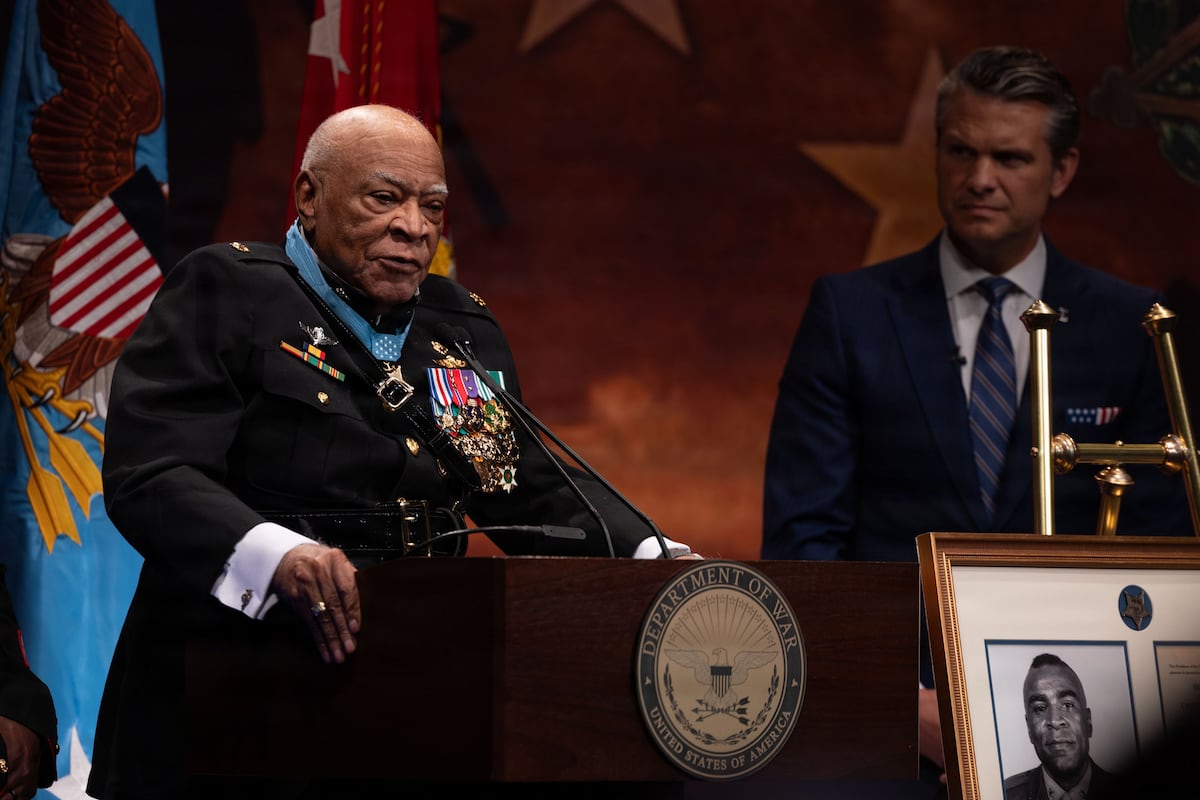
That fight finally ended in June at the White House after President Donald Trump clasped a powder blue ribbon around Capers’ neck and straightened the gold, star-shaped medal over his chest. The ceremony concluded a nearly 20-year struggle that profoundly shaped the latter decades of Caper’s life — a trial marked by devastating grief, institutional rejection, deteriorating health, and extraordinary perseverance.
“Jim, the nation kept you waiting far too long,” Trump said at the ceremony. “So I say to you, congratulations. You made it.”
The moment was the culmination of a push to recognize Capers that began in 2007 after a general at Camp Lejeune, North Carolina, initiated an investigation to determine if Capers and others who served in Vietnam with 3rd Force Reconnaissance Company in 1966 and 1967 should be considered for valor awards or upgrades to medals they had already received. The elite special operations detachment, which fought in the rice paddies and triple-canopy jungles of Southeast Asia, had come to be known as “the lost detachment” because administrative records of their exploits were lost for years. After reviewing detailed records and accounts of Capers’ bravery and combat leadership in Vietnam, the general, James L. Williams, believed Capers’ actions were worthy of the Medal of Honor.
‘I had to make sure I kept my troops alive’
Capers is a legend of the Marine Corps’ elite Force Reconnaissance community. In his first enlistment in the infantry, Capers stormed a beach south of Beirut, Lebanon, in 1958, with 2nd Battalion, 2nd Marines. After that deployment, he tried out and was selected for duty with the 1st Force Reconnaissance Company.
In 1965, he volunteered for duty in Vietnam with the newly formed 3rd Force Reconnaissance Company and was placed in charge of an all-white platoon of 20 men. Walter J. Doroski, who served as Capers’ point man in Vietnam, recalled the day he met his new platoon sergeant.
“He stood with confidence and an ominous charisma,” Doroski said in a statement. “In a deep, clear, but not loud voice, he said, ‘Lead, follow, or get the hell out of the way. I am Staff Sgt. Capers, and we will be the absolute best platoon in this company, which will make us the best platoon of Marines in the world.’ … For the next 18 months, I never knew of anyone who questioned his authority or leadership.”
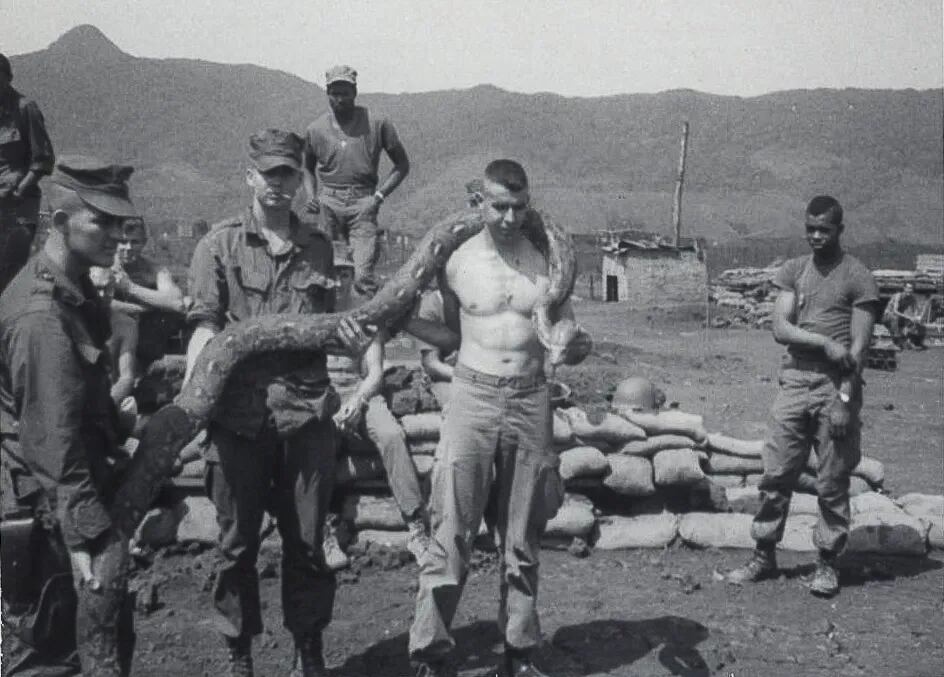
From August 1966 to early April 1967, Capers led dozens of long-range reconnaissance patrols deep behind enemy lines.
In his first missions in Vietnam, Capers led combat diver teams in shark-infested waters, searching the hull of the USS Boxer for enemy mines and saboteurs while it was docked at ports in Nha Trang and Qui Nhon.
In August and September, Capers and his men endured intense combat during Operations Deckhouse III and IV. When an infantry unit was trapped and isolated by the enemy, Capers led a rescue mission to get the Marines out of the kill zone under fire. He also assumed command of another reconnaissance platoon after its commander was killed in action.
“I wasn’t afraid because I had a job to do, and my job was to lead and to look out for my guys,” Capers said later of the Deckhouse operations.
Then, in late November 1966, Capers and his team were tasked with locating and assessing the wreckage of a downed aircraft. After they gathered critical intelligence from the crash site of the B-57 Canberra bomber, torrential rains prevented the team’s helicopter extraction, leaving the lightly armed patrol isolated with limited food and ammunition. When extraction proved impossible, Capers gathered his men.
“We can’t stay here,” he told them. “If we do, we’ll die. … Saddle up. We’re walking off of this damn mountain.”
As the downpour continued for several days, Capers led his Marines on a grueling 9-kilometer hike through rugged mountains, flooded rivers, triple-canopy jungle, and two minefields, consistently outmaneuvering enemy forces to make it safely back to friendly lines.
Capers was still exhausted from the mission when he learned he would no longer be the platoon sergeant. On Nov. 30, 1966, he received a battlefield commission — a rare honor given to only 63 enlisted men in Vietnam — and was promoted to the rank of second lieutenant.
Still, Capers understood that any failure could reinforce racist beliefs about whether Black Marines should become officers.
“Had I drowned on a dive mission, or had I made the wrong decision, then it would have given the naysayers fodder for saying, ‘We knew we shouldn’t commission those guys.’ So I couldn’t fail,” Capers said. “I had to succeed. … I had to make sure I kept my troops alive.”
Capers earned a Bronze Star with “V” for his actions in January 1967 while serving as assistant patrol leader for a top-secret mission to locate and liberate prisoners of war from a Viet Cong prison camp more than 20 miles behind enemy lines.
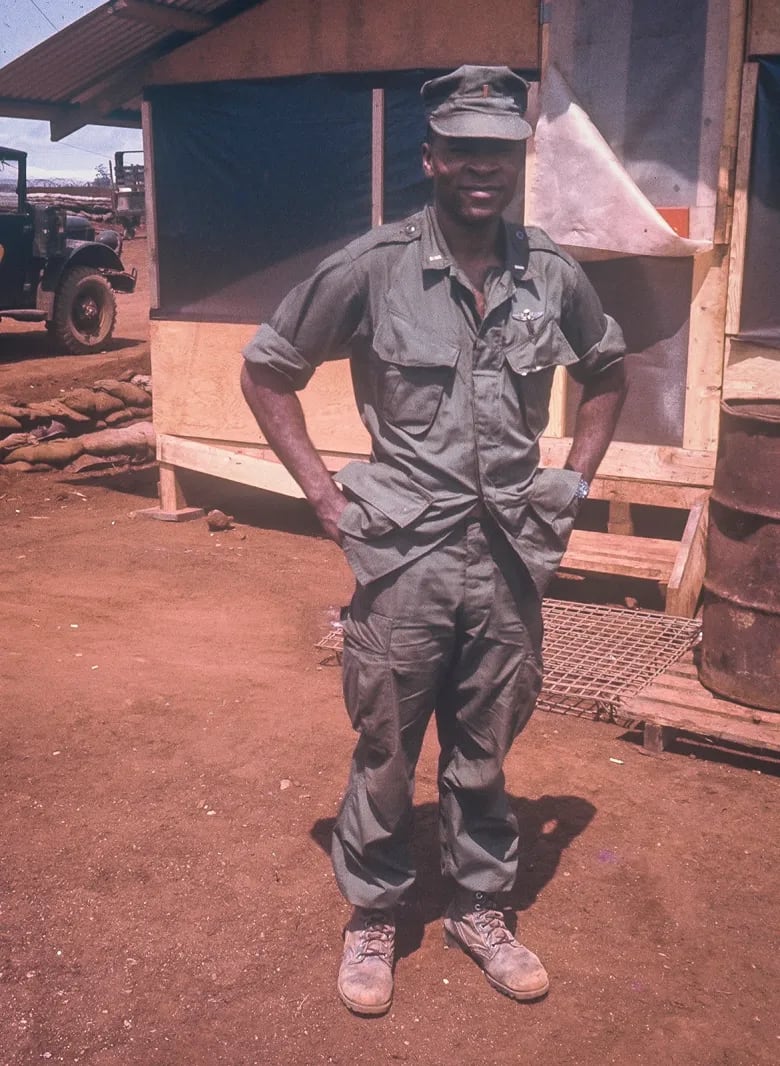
After completing that mission, he was sent to Khe Sanh, where he and his Marines patrolled the jungle around the combat outpost, moving like ghosts and killing dozens of enemy soldiers in a near-constant rotation of patrols that Capers coordinated, oversaw, and frequently led.
On one mission, Capers and his team — named Team Broadminded for their tactical efficiency — killed around 15 enemy soldiers. On the chopper back to Khe Sanh, the team was subdued.
“There was no backslapping,” Capers recalled. “For us, death and killing had become business as usual.”
It was just one of many patrols through the jungle that ended in savage close combat.
“You play God,” Capers said in 2009. “And you cover it up by saying, ‘In the interest of national defense — kill him before he kills me.’”
The last patrol
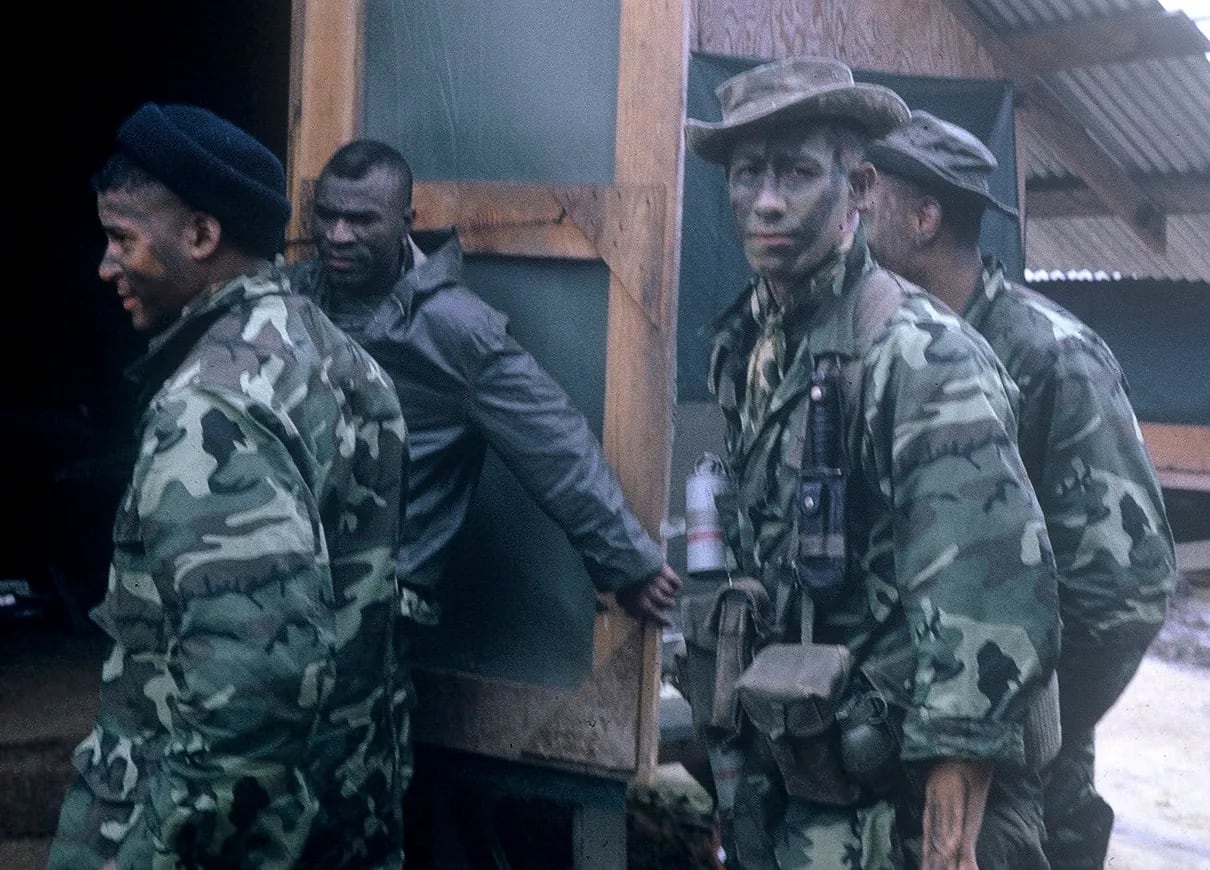
By March 1967, the Marines of 3rd Force Recon in Vietnam had likely killed or wounded hundreds of enemy soldiers, but many of the 39 Marines who originally deployed in April 1966 had become casualties themselves. The survivors were battle-fatigued, short-handed, and waiting to be relieved by another force reconnaissance unit when Capers was given orders to locate a suspected North Vietnamese regimental base camp near Phu Loc.
He gathered Broadminded’s core members — Ron Yerman, Capers’ trusted assistant team leader and first radio operator; Sgt. Richard Crepeau, another seasoned sergeant and the team’s second radio operator; and Billy Ray “Doc” Smith, the team’s medical corpsman.
“He asked us if we would volunteer to go on our last combat patrol into an almost impossible situation,” Crepeau recalled. “He said, ‘I’ve been ordered to go, but you don’t have to.’”
The sergeants and the corpsman looked at each other. There was no question.
“Where you go, we go,” Crepeau said.
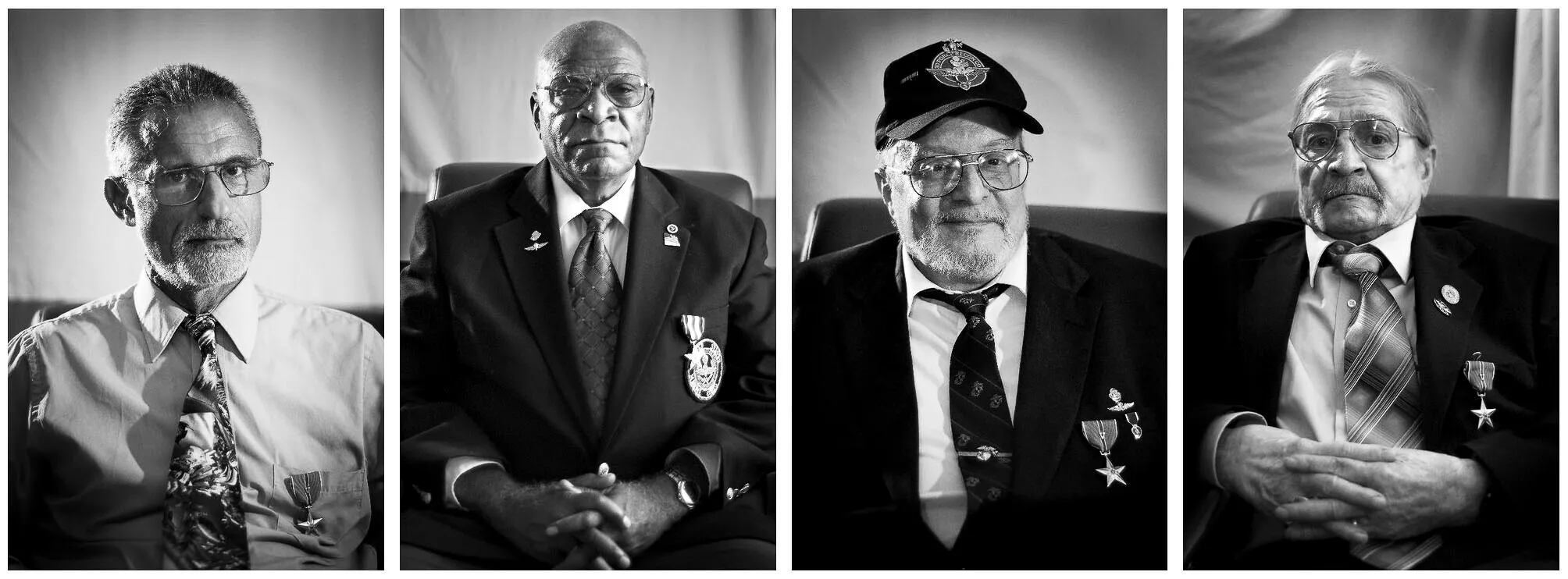
Over the four days the patrol lasted, Broadminded got into several firefights. During one engagement, Capers called for fire on an enemy position, which stopped an attack on the unit they were supporting — M Company, 3rd Battalion, 26th Marine Regiment.
The team found four booby-trapped trails — likely ambush sites — which Capers reported to the M Company commander, who then ordered Capers to take his team back through the sites. Capers and his men knew the commander was essentially using their reconnaissance team as bait to flush out the enemy forces so the regular infantry could swoop in for the kind of large battle the big-brass strategy demanded at the time.
On the last day of the patrol, April 3, Capers and his nine-man team maneuvered slowly and carefully, identifying and withdrawing from three ambush sites. As the team was about to withdraw from a fourth, the team’s war dog, King, alerted. Then the claymore mines detonated.
A massive, nightmarish explosion swallowed the team in a shockwave of steel balls that punched through limbs and torsos. More than a dozen North Vietnamese soldiers opened fire from two directions with rifles, machine guns, and grenades, wounding every member of the team. The initial blast killed King and knocked Capers against a tree, leaving his body punctured in 14 places and right leg broken.
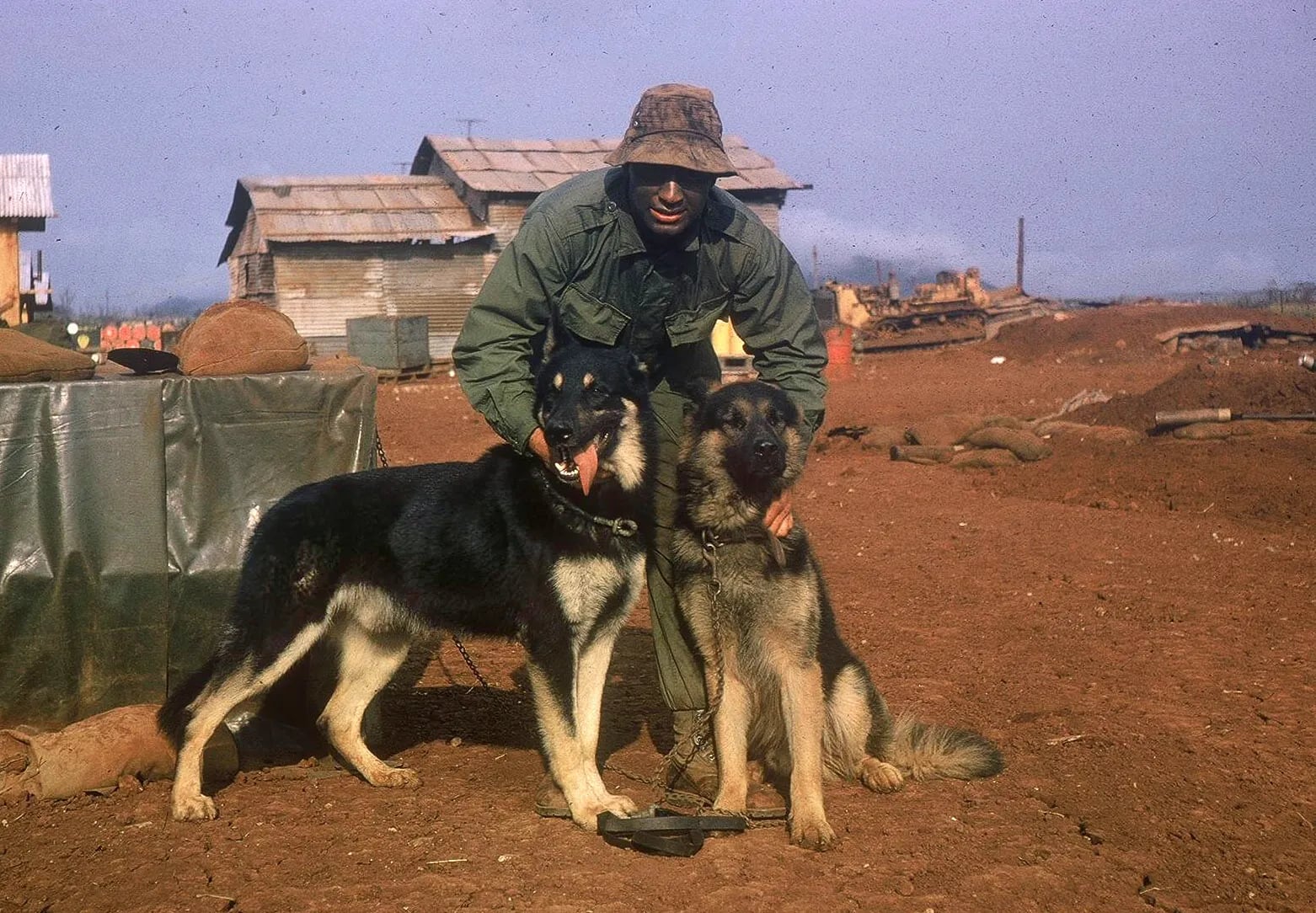
As the whole team fought for their lives, Yerman, one of the only Marines with relatively minor wounds, crawled over to Capers.
“We’re all down, sir!” Yerman yelled. “But we can still fight!”
Capers ordered Yerman to redistribute the team’s ammo and pull the injured men into a tight perimeter. Smith, bleeding from his neck and face, sprinted from man to man, treating and dressing their wounds. Capers kept firing his rifle and throwing grenades as he shouted orders.
Smith gave Capers a shot of morphine and then darted away to treat the other Marines. As Yerman called for help from the grunts and worked on getting medical evacuation helicopters inbound, Capers ordered Crepeau to call in mortars dangerously close to the Marines’ position — a risky gamble that silenced the enemy guns.
“We’re not going to die on this trail,” Capers told his men. “We’re going home, and we’re going home like Marines.”
With help from the line grunts, Team Broadminded hobbled down a winding, rain-swept trail toward the helicopter landing zone. Capers used his rifle like a cane and limped along, blood sloshing in his jungle boots. At the landing zone, with bullets whipping and cracking around them, Capers — barely clinging to consciousness — refused to board the helicopter until every last man, and his dog’s body, was aboard. When the aircraft struggled to take off under the weight of its load, Capers yelled to the crew chief, “It’s no good,” and tried to sacrifice himself by exiting the aircraft so it could get into the air. The crew chief pulled him back inside — twice — before the pilot managed to gain some speed and lift off.
As the Marines lay recovering in the field hospital later, 3rd Marine Division Commander Maj. Gen. Bruno Hochmuth visited Capers and his men. Hochmuth knelt down beside Capers’ bed and patted his head.
“You did a good job, son,” Capers remembered him saying. “You guys did a real good job out there, and you’ll be hearing from us.” Seven months later, Hochmuth was killed in a helicopter crash.
In the dozens of combat patrols Capers had led, he’d never been caught in an ambush. His record was a point of pride. Perfection was the standard.
“After Phu Loc, the thought never occurred to me that I might deserve a medal, because I felt like I had failed,” Capers said.
A hero’s odyssey
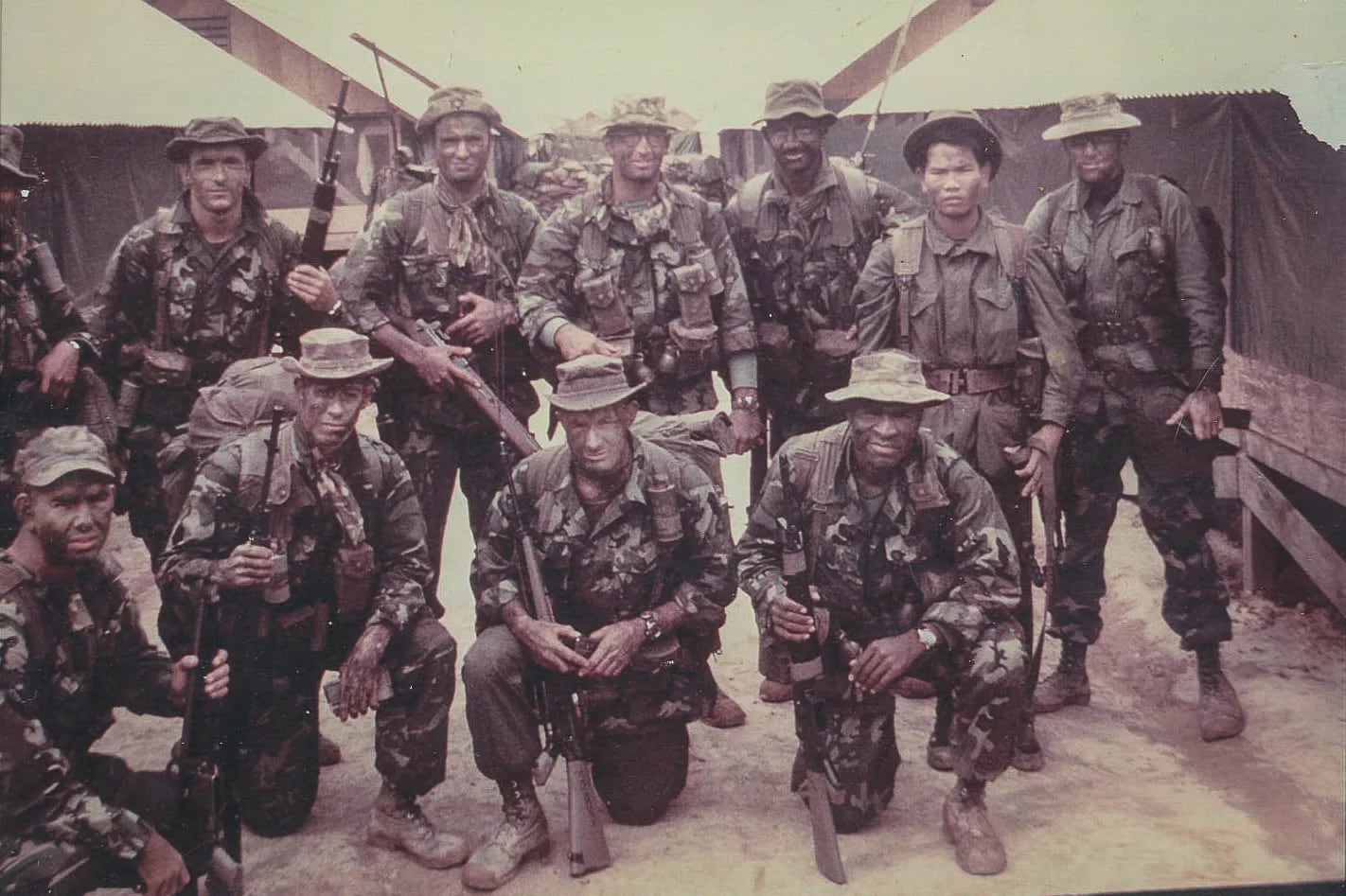
In 2007, the administrative staff at 2nd Marine Division began a years-long process of gathering witness statements, officer endorsements, and other official documents before sending medal recommendations to the Marine Corps Awards Branch on behalf of Capers and several other “lost detachment” Marines.
Lt. Col. Gary Wilder, Capers’ battalion commander in Vietnam until February 1967, recommended Capers for the Medal of Honor for his actions during the last patrol at Phu Loc between March 31 and April 3.
The Marine Corps kicked back the award recommendation in March 2008, citing procedural errors, including the fact that Wilder and Capt. Ken Jordan, who served as Capers’ detachment commander until three days before the Phu Loc patrol, were technically ineligible to initiate the recommendation for Capers’ medal. The four-day timeframe also overlapped with the Bronze Star with “V” that Capers received as an “end of tour” award covering his entire Vietnam deployment — though that award summary did not capture most of the details of the Phu Loc patrol.
The team at 2nd Marine Division regrouped and revised their recommendation, tracking down the correct officers from Capers’ chain of command, obtaining their signed recommendations for Capers’ actions at Phu Loc, and addressing other discrepancies.
As Capers endured a whirlwind of intense scrutiny during that time, he was forced to confront painful memories and long-dormant demons.
“I was stripped down, and all my scars were measured. I answered many questions from investigators,” Capers said. “[They] asked me about the battle of Phu Loc and all the various missions I was involved in.”
“I resented those guys questioning my integrity or my battlefield competence when they had never shed blood as I had.”
When he got fed up with what he perceived as a callous approach by the doctors and investigators, Capers thought about two things. The first was his men. He focused on the effort to get them medals and upgrades for their actions in Vietnam.
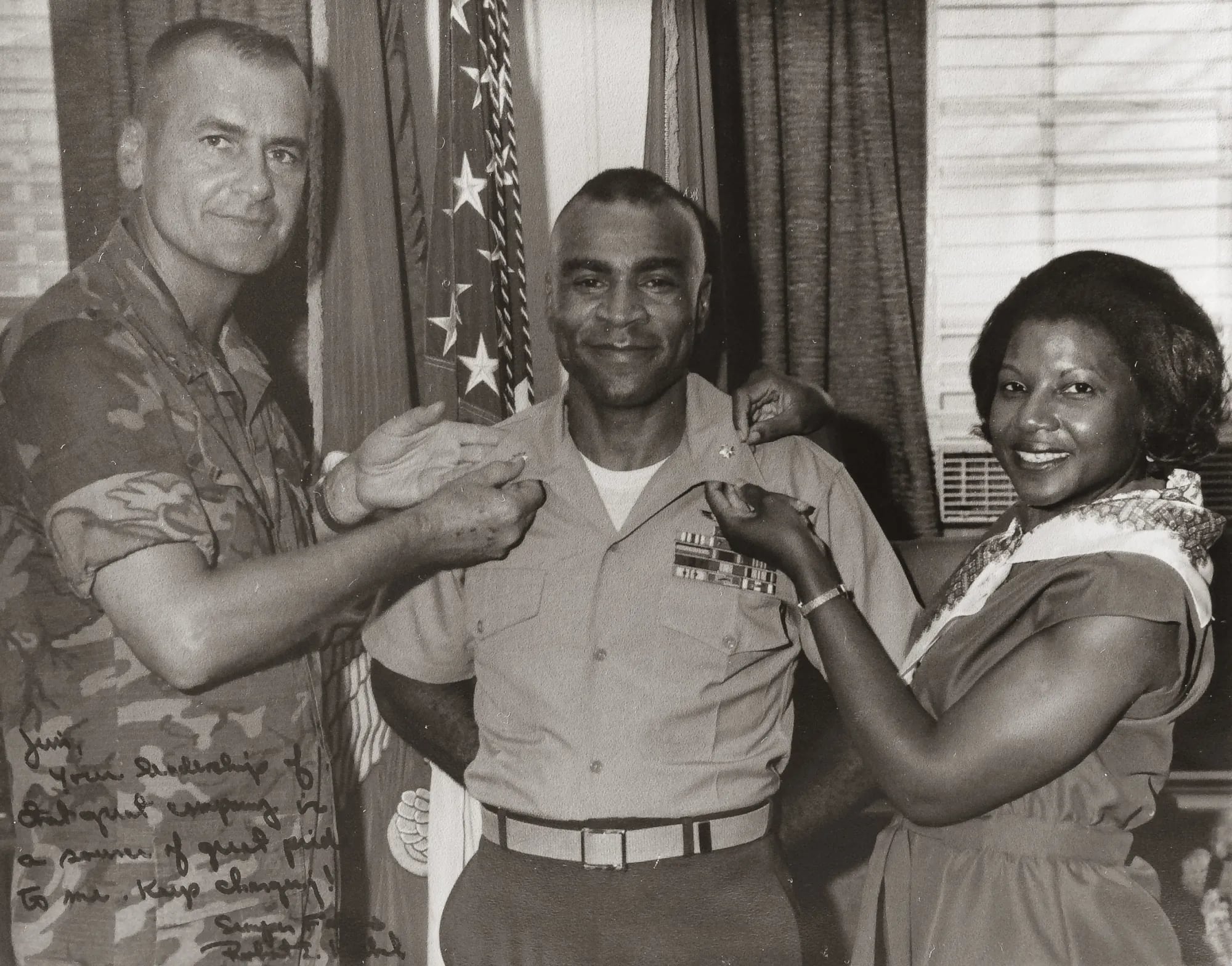
The other thing that kept Capers going was his wife, Dottie.
“Dottie was the only woman I ever loved from the time I was 15 years old,” he says. “She was my rock.”
But in June 2009, in the midst of the whole ordeal, Capers lost his rock. A week after their 50th wedding anniversary, he said goodbye to Dottie in a hospital room in North Carolina after a battle with cancer. He slipped her wedding ring gently off her finger and whispered through tears, “I kept my word.”
Dottie was buried at Arlington National Cemetery next to Capers and Dottie’s only son, Gary, who was born blind and mentally handicapped and died at 44 in 2003. With his family gone, Capers was lost in grief, and his friends and loved ones could see it.
“I loved her so much. … I was the luckiest man in the world,” Capers said in November 2009. “But now I’m a widower. And my life, as I knew it, has ended, basically. ”
After Dottie passed, Williams, who served with Capers in the 1970s and remains close to him, connected Capers with a manager in Los Angeles and urged him to publish his memoir and pursue a documentary or feature film about his extraordinary life. The general had been inspired to join the Marine Corps, in part, after seeing Capers on a recruiting poster in his dress blues with a chest full of medals. So Capers, still deep in grief and in need of a new focus, left the small military town of Jacksonville, North Carolina, and settled in Santa Monica, California. It was practically the other side of the universe for him.
As he met with producers and writers, nearly everyone placed this measurement on Capers’ life story: With the Medal of Honor approved, Capers was Hollywood gold. Without it, he was unmarketable.
In 2010, Capers said he received a letter from the Pentagon telling him he would be awarded the Silver Star Medal — a downgrade of two levels for which no explanation was given. The processes that led to that decision remain a mystery.
“We may never be able to piece together how that decision was made,” Dwight Mears, a historian who has spent decades investigating and writing about Medal of Honor standards, told The War Horse. “It’s a system that’s very mercurial. It’s not very transparent. You’re basically asking an organization to be transparent about something that may not make it look good.”
Capers was awarded the Silver Star on Oct. 27, 2010, during a ceremony at the officer’s club on MacDill Air Force Base in Tampa, Florida. Yerman, Crepeau, Smith, and John Moran, the dog handler on the Phu Loc patrol, also received the Bronze Star that day for their valor during the ambush.
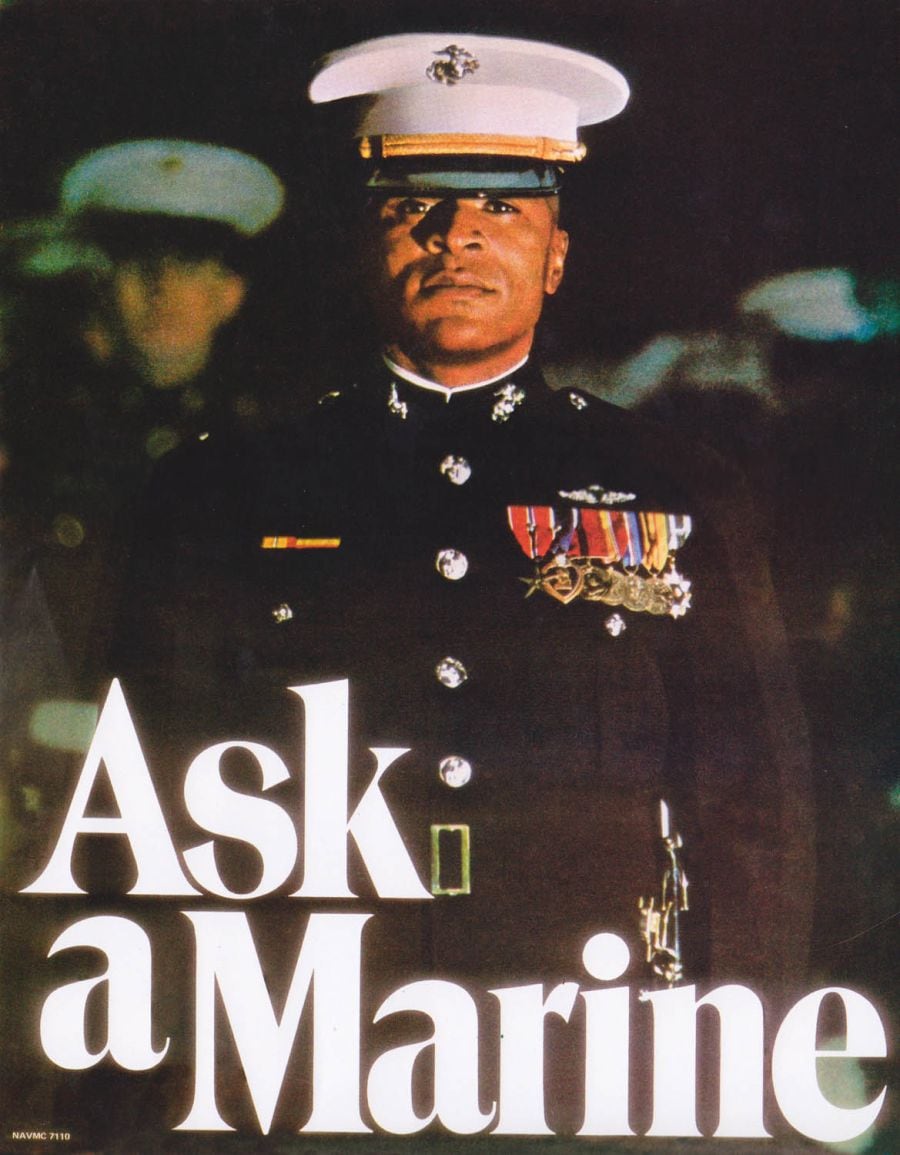
“In the description for the Medal of Honor, it says that your deed has to be so significant that you don’t consider your own life,” Yerman, who accompanied Capers on more patrols in Vietnam than any other man, said in 2010. “He didn’t ever consider his own life when he was out there. … His whole life was dedicated to Marines.”
At the ceremony, Maj. Gen. Paul E. Lefebvre, then commander of Marine Forces Special Operations Command, called Capers “the spiritual founder of Marine Corps special operations.”
Hours before the Silver Star ceremony, Navy Adm. Eric Olson, commander of U.S. Special Operations Command, inducted Capers into SOCOM’s Commando Hall of Honor, enshrining Capers’ legacy as a leader, innovator, and hero in the Marine special operations community.
Capers accepted the Silver Star with grace and humility. But when he returned to Los Angeles, he struggled. His health began to fail. After a long stay in the hospital, Lt. Gen. Ronald L. Bailey, a close friend and commanding general of 1st Marine Division, had Capers moved to Oceanside, where he slowly got better.
He moved into an apartment and reconnected with James Dixon III, the corporal who worked obsessively for more than a year helping to prepare awards packages for Capers and his men. Dixon moved in with Capers and helped him with his memoir while trying to reignite the effort to award him the Medal of Honor. But Dixon died tragically in 2012. Alone and reeling from another loss, Capers moved back to Jacksonville.
“I’d lost everything important to me,” Capers said of that time. “I guess I bought into the idea that the award was bigger than me because I needed to.”
‘A very subjective award’
For years, supporters tried unsuccessfully to persuade the military to reconsider Capers’ Silver Star. From 2010 to 2019, retired Marine Col. Phil Smith led efforts through the Force Recon Association to reopen the case. None succeeded.
The Pentagon had shown that old valor awards could be reconsidered. In 2014, President Barack Obama presented the Medal of Honor to 24 soldiers from World War II, Korea, and Vietnam whose heroism had been overlooked because of racial discrimination. The award upgrades followed a congressionally mandated review that took 12 years. No Marine medals were upgraded.
“The Medal of Honor is a very subjective award that depends very much on how well we tell the story,” Doug Sterner, an archivist and expert on military valor awards, told me in 2015.
Capers’ story gradually reached a wider audience. In 2015, I published an investigative feature about him in Maxim magazine, and Capers published his memoir, “Faith Through the Storm: Memoirs of Major James Capers Jr.” in 2018. A documentary about Team Broadminded followed later.
In 2021, Reps. Ralph Norman of South Carolina and Greg Murphy of North Carolina called for a review of an updated recommendation supported by new witness statements. Both lawmakers represented places closely tied to Capers: Norman’s district includes Bishopville, where Capers was born into a sharecropping family in 1937, and Murphy represented Jacksonville, where Capers lives.
But then-Navy Secretary Carlos Del Toro denied the recommendation, citing regulations that “preclude reconsideration of any previously approved personal decoration for upgrade to the Medal of Honor unless new, substantive, and relevant material evidence is presented.” Norman then introduced legislation in 2022 and again in 2023 that would have authorized the president to award Capers the medal. Neither effort advanced. By then, supporters had concluded that another appeal through normal military channels was unlikely to succeed.
In 2024, retired Marine Lt. Col. David “Bull” Gurfein, who now serves as a senior Defense Department advisor, took over the campaign with board support from his nonprofit United American Patriots. After Gurfein learned of Capers’ story, he offered to lead a new strategic campaign that combined historical research, congressional lobbying, public pressure, and endorsements from senior military leaders.
“Many senior military leaders believed Capers deserved the Medal of Honor, but few believed he would ever receive it,” Gurfein told The War Horse. “We refused to accept that as a rational conclusion.”
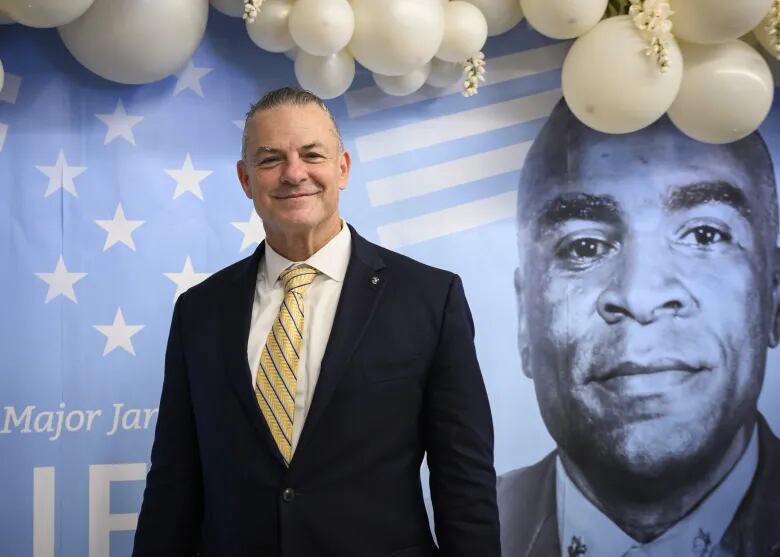
Gurfein led a coalition that expanded upon research begun by Williams, gathering original records and examining why earlier efforts had failed. The coalition worked to push Capers’ story into public view. They circulated petitions urging President Trump to award Capers the medal while he was still alive. The major’s heroism was touted in news reports, opinion pieces, podcasts, and on social media. A 2025 interview with Capers on the Shawn Ryan Show garnered more than 1.7 million views on YouTube.
“We were able to finally get this done through a combination of getting the right people in the right place and having the influence to constantly keep Maj. Capers’ name trending,” said Ruben Ayala, co-founder of BLK-OPS Foundation, which supported the campaign. “As people saw all of the injustices throughout the years of not being able to get this right, they joined the fight.”
Another key victory came after retired Marine Sgt. Maj. Bryan Battaglia, a former senior enlisted advisor to the chairman of the Joint Chiefs of Staff, organized a letter to Trump supporting Capers that was signed by 133 retired senior enlisted leaders. A second letter was sent to the Commandant of the Marine Corps with signatures from four former sergeants major of the Marine Corps.
In February 2025, Norman secured a similar letter to Trump signed by 47 members of Congress, including six senators. Norman then introduced legislation waiving the five-year deadline that ordinarily limits consideration of Medal of Honor recommendations. The bill passed both chambers by unanimous consent.
Williams credited Republican Sen. Lindsey Graham of South Carolina as a key supporter of the legislation who helped push it across the finish line.
“Sen. Graham was absolutely a great supporter and a champion in this process,” Williams said after Graham’s unexpected death on July 11. “He did what he normally does: He strong-armed everybody on Capitol Hill.”
The campaign gained additional support inside the administration. During an August 2025 White House dinner honoring Purple Heart recipients, Capers met Defense Secretary Pete Hegseth and spoke with Veterans Affairs Secretary Doug Collins. Collins later endorsed the effort in a letter to Hegseth’s senior staff. The effort seemed to reach a critical mass of support after Hegseth presented Capers with Fox Nation’s Salute to Service Award in front of a large national audience in November.
President Trump signed Norman’s bill into law on March 26. On June 18, 59 years after his actions at Phu Loc, Capers became the first Black Marine officer to receive the Medal of Honor.
‘Destiny’
On a hot June afternoon in Washington, two Marines helped the 88-year-old warrior rise and navigate a couple steps onto a stage at the White House, where President Trump hooked his right arm around Capers’ left and helped him stand tall. Then a military member spoke the words that Capers, and all who had advocated for him, had waited decades to hear: “The President of the United States, in the name of the Congress, takes pleasure in presenting the Medal of Honor to 2nd Lt. James Capers Jr., United States Marine Corps.”
After securing the medal around Capers’ neck, the president put his arm around him, pulling him close and smiling to the gathered guests, who erupted in applause and cheers. Capers stood there, beaming along with the president, flooded with the joy and validation of the moment.
“He has always been an unwavering example of strength, courage and grace,” Renee White, Capers’ niece and one of his only living relatives, said in a statement. “While my heart aches that his beloved wife, my Aunt Dottie, and their son, my cousin Gary, are not here to share in this historic day, I know they, along with his parents and siblings, are looking down with immense love and pride.”
After the ceremony, Capers attended a nearby reception. As he rolled into the venue, a huge crowd of friends, family members, and supporters gave him a long overdue hero’s welcome, showering him with love and admiration.
“The award represented the culmination of decades of patience by Capers and years of disciplined research, principled advocacy, and broad-based collaboration by hundreds of individuals committed to ensuring that the historical record was finally set right,” Gurfein said.
The following day — on Juneteenth — Capers was inducted into the Pentagon Hall of Heroes along with Marine Col. John Ripley, who was posthumously awarded the Medal of Honor the day before.
“Your applause reminds me of some dark days — of some brave men who are not here today. So I’ll speak for them,” Capers said at the ceremony. “This is the greatest country in the world. I fought for that flag. I believed in it.”
In 1943, Capers’ family fled the Jim Crow South to Baltimore, Maryland. Four of his seven brothers and sisters died before age 10. When Capers enlisted in the Marines in 1956, his father drove him to the train station and explained that he would always have to perform better than his peers if he wanted to succeed.
“The Marine Corps did not welcome individuals like me,” Capers said. “But the hierarchy thought, ‘If he’s got the skills, at least give [him] the chance to try.’ That’s all I really wanted.”
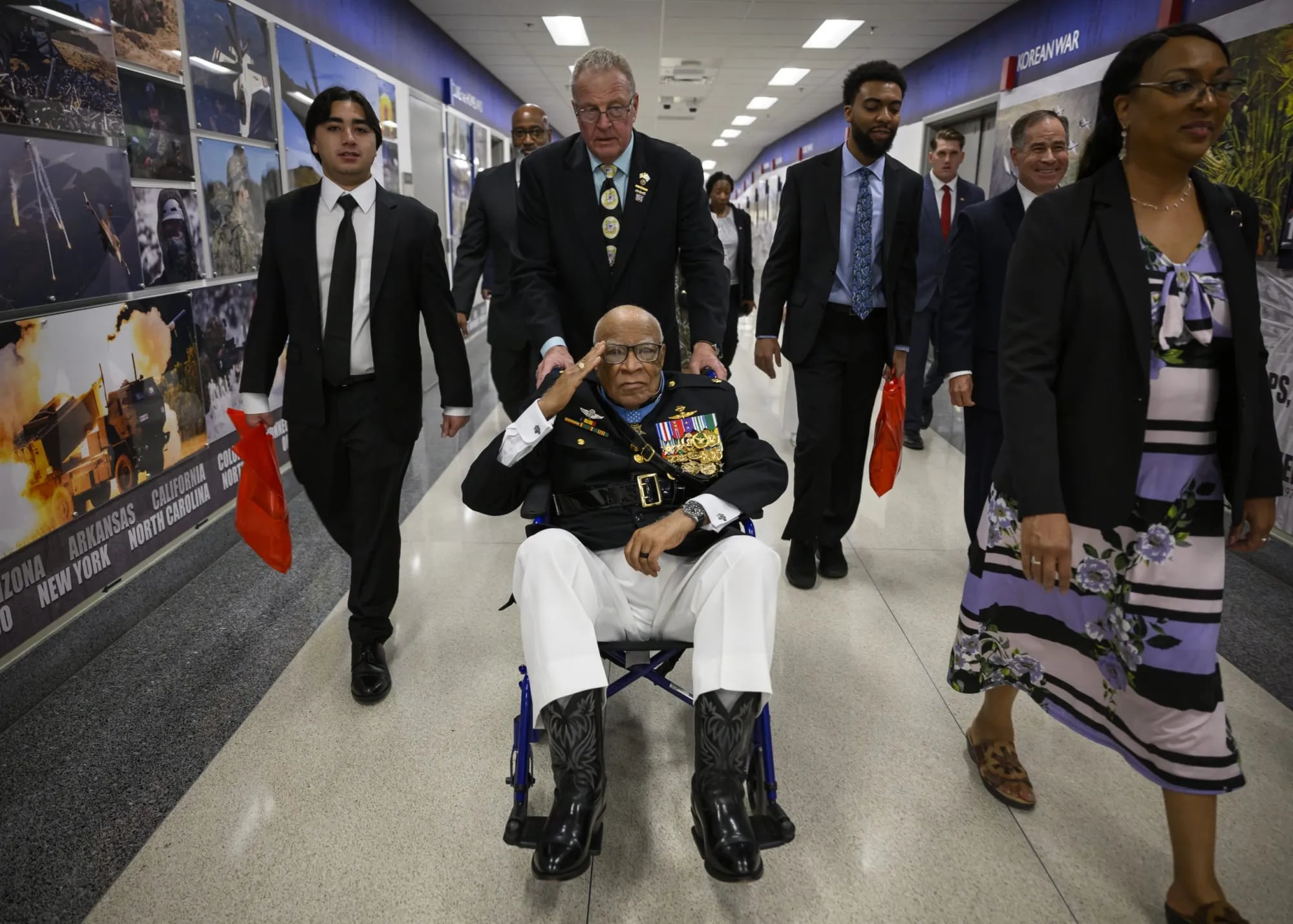
Capers rolled in his wheelchair alongside close friends and family members down a long Pentagon hallway as hundreds of friends, supporters, and distinguished guests gave a long overdue hero’s reception. As he stared up with a proud smile at a sea of applauding admirers, he reached out to shake hands and expressed his thanks with a sharp salute.
When he reached the Pentagon Hall of Heroes, Capers located his name, newly printed on the wall.
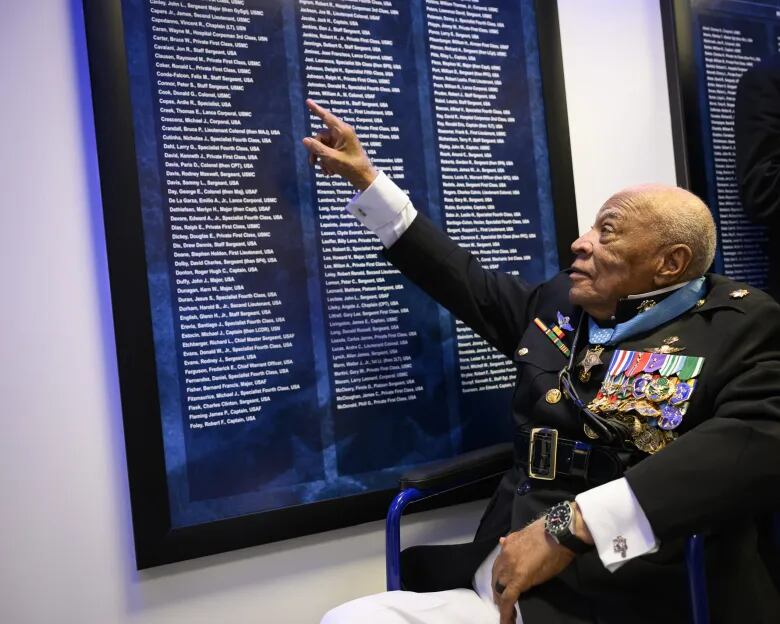
Afterward, Lt. Gen. Melvin “Jerry” Carter expressed how it felt to see Capers awarded with America’s highest honor and what his legacy means.
“There would be no three-star African-American generals in the Marine Corps if it wasn’t for the leadership and contributions from men like [Maj. Capers],” said Carter, who currently serves as an advisor to the director of national intelligence. “I’m standing on the shoulders of giants, and our reconnaissance community certainly wouldn’t be as far as it is today without Maj. Capers. … We’re honored [and] pleased that he’s here today with us.”
Theodore Roosevelt Britton Jr., a 100-year-old Montford Point Marine and former American ambassador to Grenada and Barbados, was elated to witness his good friend’s induction into the Hall of Heroes.
“Maj. Capers epitomizes everything that we [Montford Point Marines] could have aspired to. … To see how far we have come is really wonderful,” Britton said afterward.
For Capers, it was a proud and cathartic experience that was somewhat bittersweet.
“I’m a little bit sad because there are a lot of my troops that are not here, but I’m here because of them,” he said in Washington the day he received the Medal of Honor.
Yerman and Crepeau, who both testified to Capers’ unparalleled combat prowess and leadership in Vietnam, never lived to see their former platoon leader receive the medal they believed he deserved.
“Had they not been along with me, I wouldn’t have made it.”
When I asked Capers what finally receiving the medal means to him, he thought for a second and calmly breathed out one word.
“Destiny,” he said, pausing for a moment. “It took a long time to get here. … It means a lot.”
This War Horse article was edited by Paul Szoldra, fact-checked by June Strange and Paul Szoldra, and copy-edited by Mitchell Hansen-Dewar.
Read the full article here