


NEWYou can now listen to Fox News articles!
Dr. David Brett-Major, an infectious disease doctor and professor of epidemiology at the University of Nebraska Medical Center is a medical hero. He is a world renowned expert on quarantine and isolation of patients exposed to high risk pathogens including Ebola in “resource limited settings with smart, creative, resourceful colleagues.” He has worked extensively in sub-Saharan Africa, and now, he is a major part of the U.S. State Department organized team that brings eighteen passengers back from Tenerife in the Canary Islands to Nebraska to the National Quarantine (15 go here) and Biocontainment Unit (Dr. Kornfeld is brought here initially for a weakly positive Hanta virus test). The remaining two fly on to Emory for biocontainment and quarantine there.
Brett-Major tells me in an interview that there are no “unmanaged surprises” during the flight of American passengers — who have been exposed to the Andes strain of the hantavirus — from the Canary Islands to Omaha, Nebraska.
We are standing together outside of the National Quarantine Center where the plane delivered its “cargo” two days before. I have been here before, in February 2020, at the beginning of the COVID outbreak, when this same group of stellar physicians and nurses including Dr. Brett-Major simultaneous cared for and carefully studied the novel coronavirus that would go on to infect the world, killing millions. The virus is different this time, much less of a risk, but the approach is the same, selfless careful attempts to contain it delivered by medical angels, beginning with Dr. Brett-Major.
HANTAVIRUS DEATHS ON CRUISE SHIP HIGHLIGHT DANGERS OF RODENT-BORNE DISEASE
His manner is easygoing and confident, he says he is not the slightest bit afraid of catching the virus. He is a breed of doctor that is perhaps becoming extinct, and he quips that if I am worried about it for myself I wouldn’t be standing three feet from him during the interview. Indeed, fear is the far greater virus than Andes, even than COVID, as the negative imagination fueled by the news media overrides the personal risk.
“It is a stripped aircraft,” he says, talking about the modified Boeing 747 that brings the Americans from the MV Hondius ship to Nebraska for the quarantine. “It does not have a lot of insulation. It has a lot of noise. I go on board, almost expecting old C-130 bucket seats, and instead what I see are groups of about 12 seats or 12 to 16 passenger seats, like on an airline, and they are sitting on a metal plate, and the metal plate is in sort of industrial tracks so that it can be rolled and moved around the aircraft.”
At the same time, the front of the plane has been completely emptied out, and 23,000 pound biocontainment canisters have been loaded in, fully equipped for the one passenger who has tested positive (Kornfeld) and the one who is experiencing symptoms who will be transferred on to Emory.
CLICK HERE FOR MORE FOX NEWS OPINION
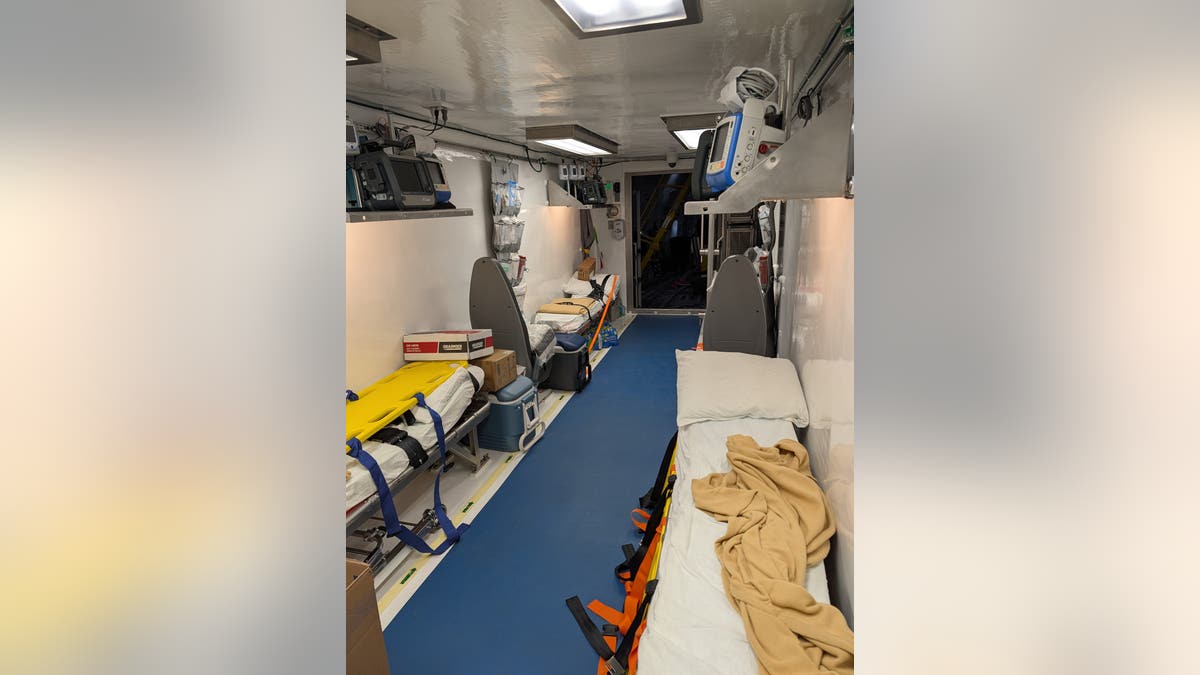
“It is a mini-intensive care unit inside a container that comes on board the front of the aircraft like any other cargo. People inside are either health care workers or those who’ve entered isolation, and there are four beds that have usual hospital monitors and, you know, carrying cases with all the usual supplies that, you know, nurses and medics and physicians use and critical care.”
Part of the support team comes from the Phoenix Air Group, known for its international ambulance and military support services. Brett-Major himself was a longtime prominent U.S. Navy medical officer.
On board the plane back to the U.S. from Spain, Brett-Major and the team are thinking of “how we might best use the airframe as a space so that people can be engaged with the team, those coming home and not feel too isolated. While also at the same time keeping everyone safe.”
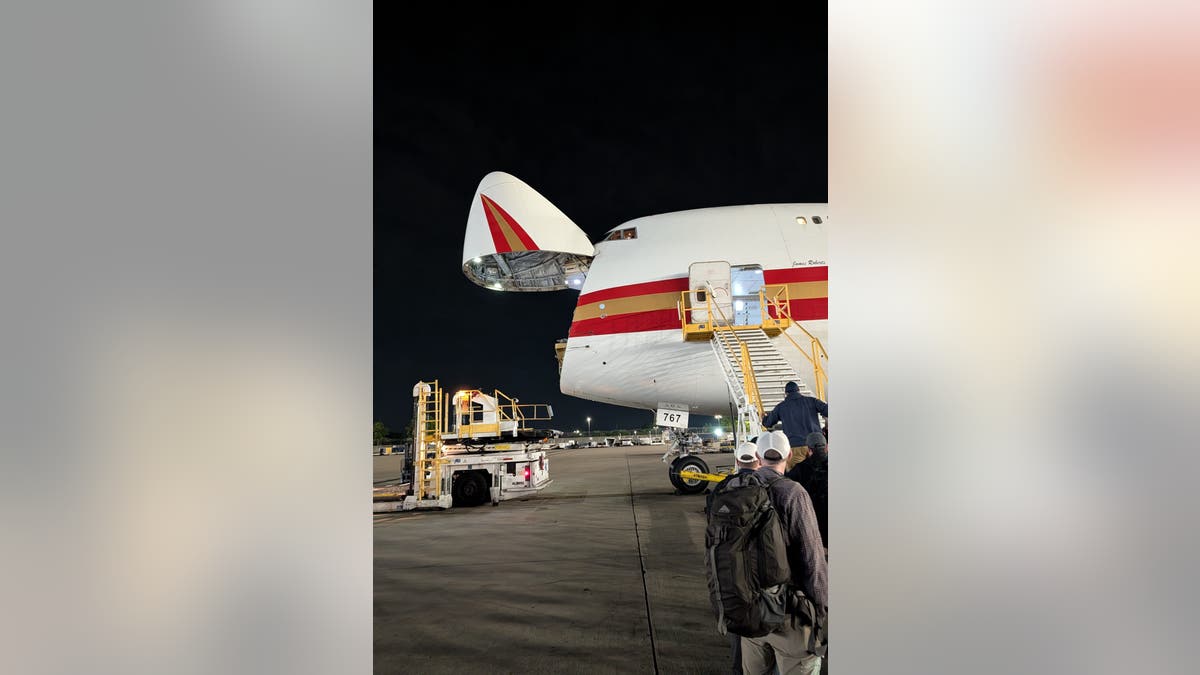
Brett-Major says that each team has different roles and each wears different levels of personal protective equipment to perform these roles. Whereas he wears a gown, double gloves, an N95 mask, and a face shield in his focused coaching role, the Phoenix team (who work longer shifts) wear higher level PPE with personal respirators (known as CAPRs) full hoods and coveralls. The name phoenix is apropos to the life saving function they perform. (Phoenix in Greek mythology is an immortal bird which is reborn).
Back in Nebraska, working in the biocontainment and quarantine units, part of what makes Dr. Brett-Major a healing angel is his focus on the psychological as well as physical wellbeing of the people exposed to hantavirus and his concern for their isolation for 42 days in quarantine. As Dr. Craig Spencer, another public health warrior who fought against and famously survived Ebola in 2014 says to me in an interview: “Imagine trying to be locked in one spot for five weeks. It’s really, really hard. I spent 19 days in an isolation facility at Bellevue Hospital being treated. That’s half the time these folks would have to stay. Think about what it means for their own lives, for their family, for their mental health, for their physical health.”
CLICK HERE TO READ MORE FROM DR. MARC SIEGEL
Read the full article here