
NEWYou can now listen to Fox News articles!
Henry Nao once penned a fascinating article in Commentary magazine in which he argued that the foreign policy of Barack Obama was like a jigsaw puzzle, while the more traditional approach of George W. Bush was like a chessboard. In more recent years, I have often wondered what President Donald Trump’s game is.
Today, as Operation Epic Fury in Iran appears to wind down, it has become clear that Trump plays foreign policy like a massive geopolitical poker game, and that he is holding a winning hand.
What Nao meant about Obama’s jigsaw style is that, under his “lead from behind” approach, every nation on Earth, friend and foe alike, holds a piece of a global puzzle, and if we all just put them down in the right place, the world’s problems will be solved.
The problem with the jigsaw puzzle approach is that countries such as Russia and China, to say nothing of Iran, have very different ideas about what picture the finished puzzle should show, and therefore, the pieces never quite fit.
IRAN WAR NEARS ‘COMPLETION’ AS TRUMP EYES DEADLINE — WHAT THE ENDGAME COULD LOOK LIKE
In the chessboard method of foreign policy, as used by both Bush administrations, great nations control territory on the board either by possessing it or threatening it from afar. In times of war, there are sometimes checkmates, but generally, the goal is to maintain balance.
It is this very global balance that Trump rejects and which has led him to eschew the chessboard in favor of the riskier game of poker. He views the last 40 years of global balance as a time when the United States has been badly taken advantage of.
Trump’s expressed desire to obtain Greenland is a perfect example of his worldview. He knows, as does everyone else, that when push comes to shove, it will be the American taxpayer who funds the defense of the crucial Arctic island against Russia and China, so why should Denmark control it?
STEVE FORBES: IRAN’S NUCLEAR INSANITY LEAVES AMERICA AND ALLIES NO ROOM TO BLINK
It is in Iran, with Operation Epic Freedom, where we see the president’s geopolitical poker style in clearest relief. His ultimatums have been “antes.” His threat to destroy Iranian civilization forced their leaders to push their most precious asset, the Strait of Hormuz, into the middle of the table.
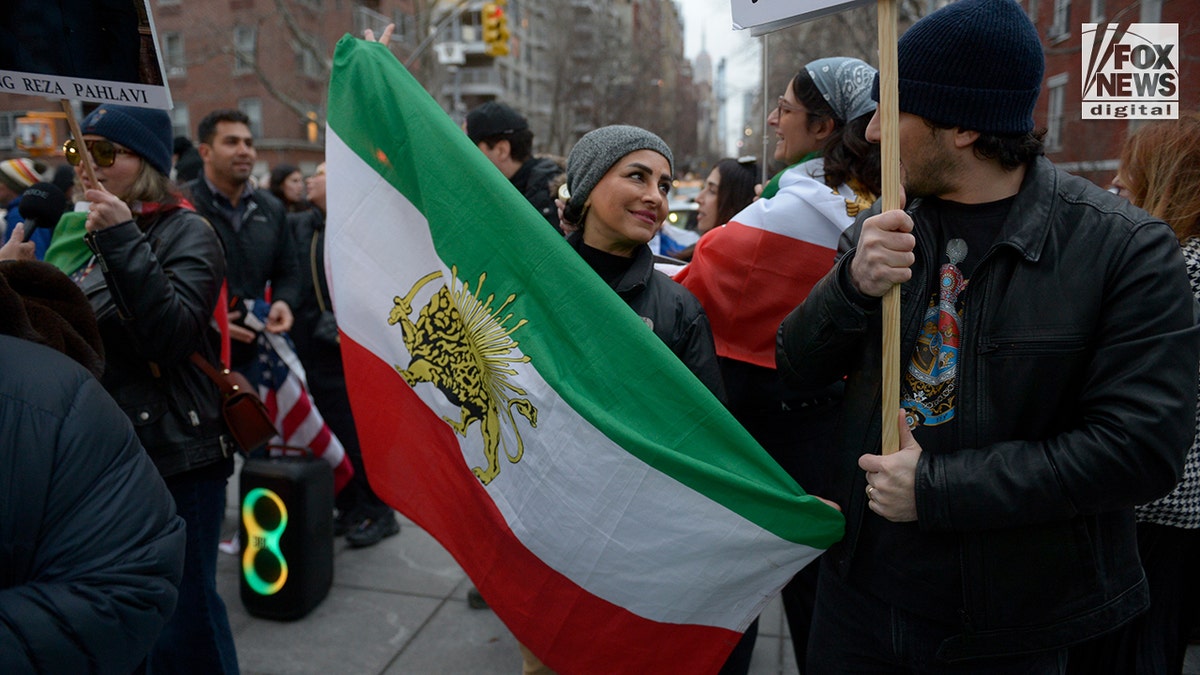
Trump knows two things here. One, as he likes to say himself, he holds the better cards. Two, and maybe more importantly, he has a near infinite stake. He didn’t fold in accepting a two-week ceasefire, because he can end it any time he wants. Any day could be bridge and power plant day.
Trump-deranged naysayers insist that Iran has won the war. But let’s look at what the United States has achieved here, or so to speak, the pots that Trump has won.
WINNING THE BATTLES, LOSING THE WAR? AMERICA MUST DEFINE THE ENDGAME IN IRAN
Ayatollah Khamenei and his 150 or so closest friends in the regime are dead, Iran’s military is in shambles, and its nuclear program, whatever is left of it, is further degraded.
Most importantly, over the last month, Israel, Saudi Arabia and the Gulf states have been in a united fight against Iran. If I had told you that would happen when Trump came down the golden escalator, you would have laughed at me.
Some say this was a failure because Trump didn’t follow through. But a month ago, he said to the Iranian people, “we’re going to take out your leaders and then the rest is up to you.” We did that, and whether or not the people there are able to rise up and throw out the government is, as it always was, up to them.
TRUMP FIGHTING FIERCE BATTLES, AT HOME AND ABROAD: WHY HE CASUALLY DISMISSES THE CONSEQUENCES
Trump doesn’t want a forever war, and we aren’t getting one. It remains to be seen, but it is very likely that a military dictatorship is still preferable to a death-cult theocracy.
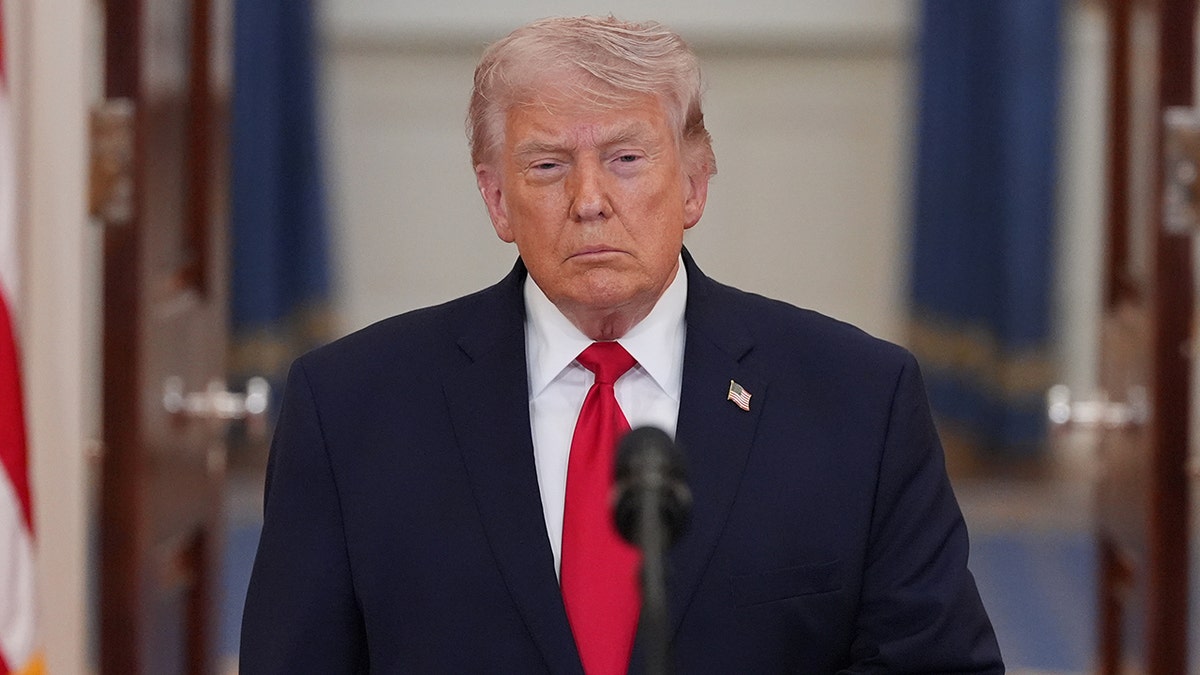
Like any good poker player, Trump knows how to bluff on the global stage, and even when he folds one hand, it always gives him crucial information about his opponent, be it Iran, or even NATO.
What Trump is really doing is resetting the global order away from one in which the United States finances its own decline in influence, to one in which we control what we pay for.
The president is willing to upend the global balance to achieve this goal because he believes it is that very balance that is holding America back.
Trump will not play the slow game of foreign-policy chess in which draws are the norm, nor will he pretend to play jigsaw with our committed foes. Instead, Trump will continue to play the hand that voters gave him, and he has plenty of cards left to throw down.
CLICK HERE TO READ MORE FROM DAVID MARCUS
Read the full article here