

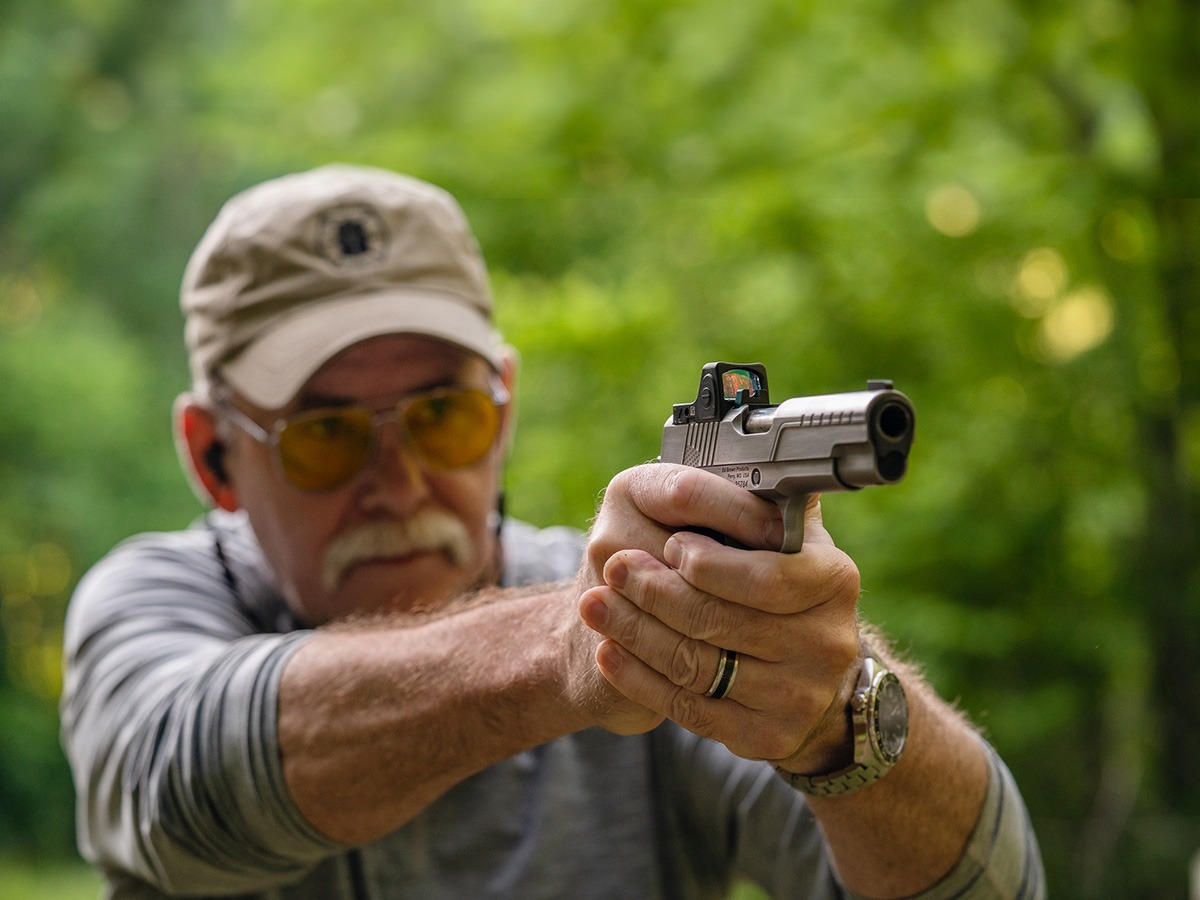
Prioritizing four mandatory traits of a concealed carry handgun.
There are hundreds of pistols marketed as being suitable for concealed carry. Choosing one that might be the best option for you can seem daunting, but there’s a method you can employ that is very practical. It involves prioritizing the most important aspects of a concealed carry pistol, which include—in order of importance—carry and concealability, reliability, shootability and effectiveness.
This hierarchy might surprise many who believe effectiveness/ballistics should be most important, so let’s look at each aspect individually and some rules I think should apply.
Ease of Carry & Concealability
If you have a pistol for concealed carry that you find uncomfortable to carry or hard to conceal, you simply will not carry it—no matter how effective it might be. As they say, the first rule of participation in a gun fight is to have a gun.
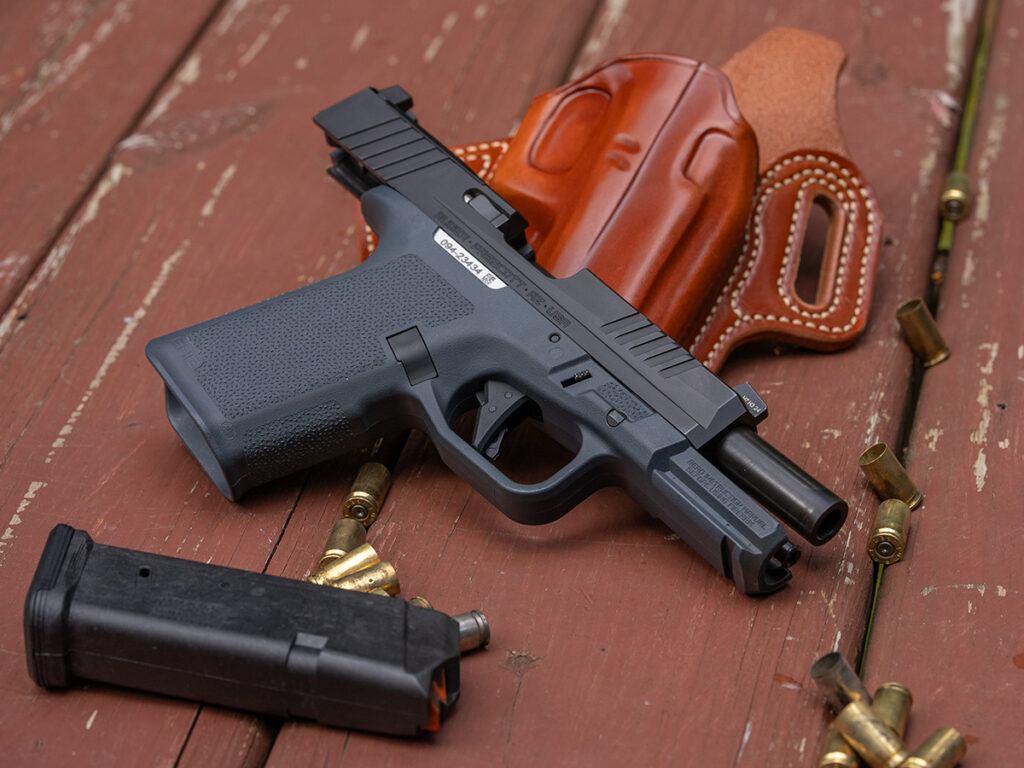
For example, few would argue the effectiveness of a 10mm pistol, such as the 6-inch barreled Kodiak from Dan Wesson. After all, it can launch a 180-grain bullet to almost 1,300 fps with double the kinetic energy of the 9mm Luger. But it also weighs more than 50 ounces when fully loaded and is almost 10 inches long.
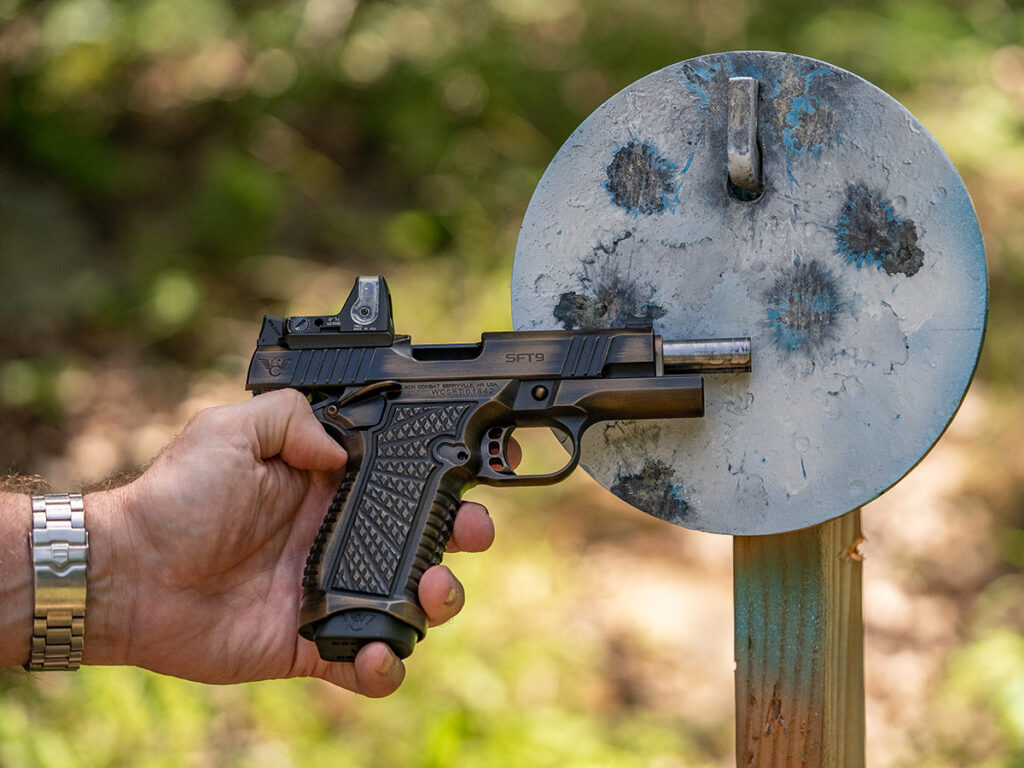
Rule 1: Find the size of pistol you can comfortably carry and easily conceal. Then, assemble your options accordingly.
Reliability
If you are required to shoot your concealed carry pistol to try to keep from becoming un-alive or seriously injured, it must work. It must work for the first shot, the second shot, and every shot thereafter. (I once responded to a shootout behind a bar early one morning and on the ground beside the dead guy was a pistol with a stove-pipe jam.)
Fortunately, most modern pistols from reputable manufacturers are very reliable, but you might discover that you do not interface with a certain pistol very well and that lack of a smooth interface can cause stoppages. You might also find out a specific pistol—no matter how trusted the model—has reliability issues.
Rule 2: Settle for no less than 100 percent reliability from your carry gun when shooting self-defense ammunition.
Shootability
You need to be able to hit what you’re shooting at. Yes, just pointing a pistol at, or shooting at, a bad guy might be enough to make them stop doing bad things. But if that does not work, you’re going to need the bullets you launch to find their mark. You might interface wonderfully well with a specific pistol, and it might never malfunction, but if you cannot hit what you’re shooting at—and you know you can shoot better—it’s not the pistol for you.
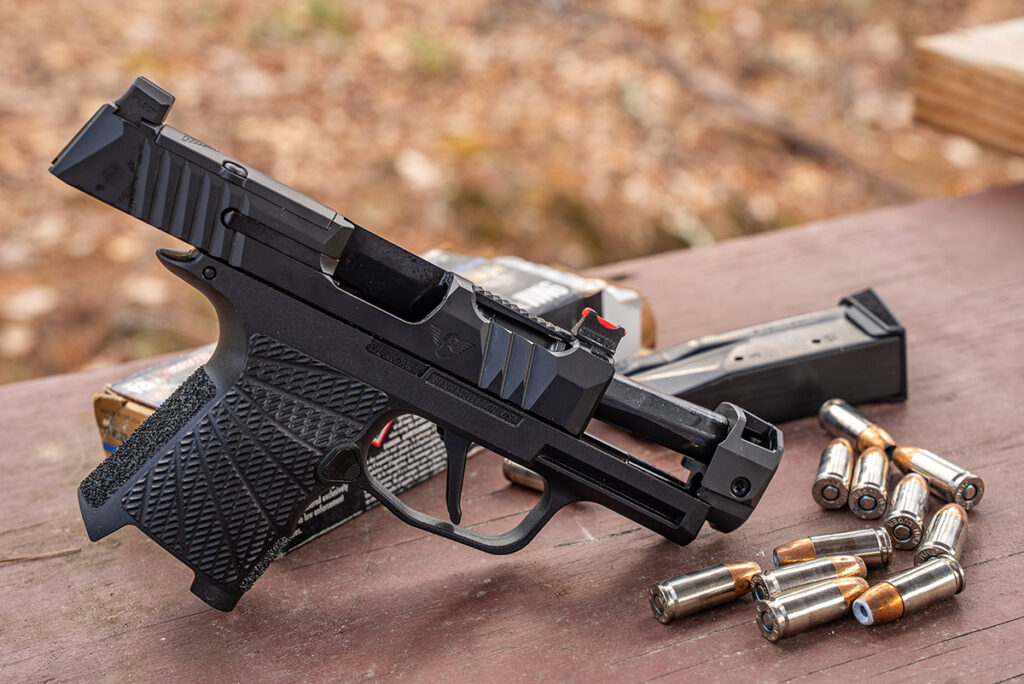
What you’re looking for is a pistol you can shoot fast and accurately, but it’s hard to give a performance threshold when it comes to shootability, because of the different skill levels of shooters. Consider using a common defensive handgun drill—something like the Forty-Five Drill—to evaluate your abilities with any handgun you’re considering carrying.
Rule 3: If, from 5 yards, you cannot put five shots into a 5-inch circle in 5 seconds with your chosen pistol, it might very well be the wrong handgun for you.
Effectiveness
This is the aspect of defensive handguns that often causes the most worry or disagreements, and it deals with the cartridge more than the pistol. Although, the pistol matters, too, because a particular cartridge might generate a recoil impulse that makes the pistol unshootable for you. The most carried self-defense pistol cartridges are the 9mm Luger, .40 S&W and .45 Auto. Less popular are smaller pistol cartridges like the .22 LR, the .25, .32 and .380 Auto, and the semi-recently introduced .30 Super Carry.
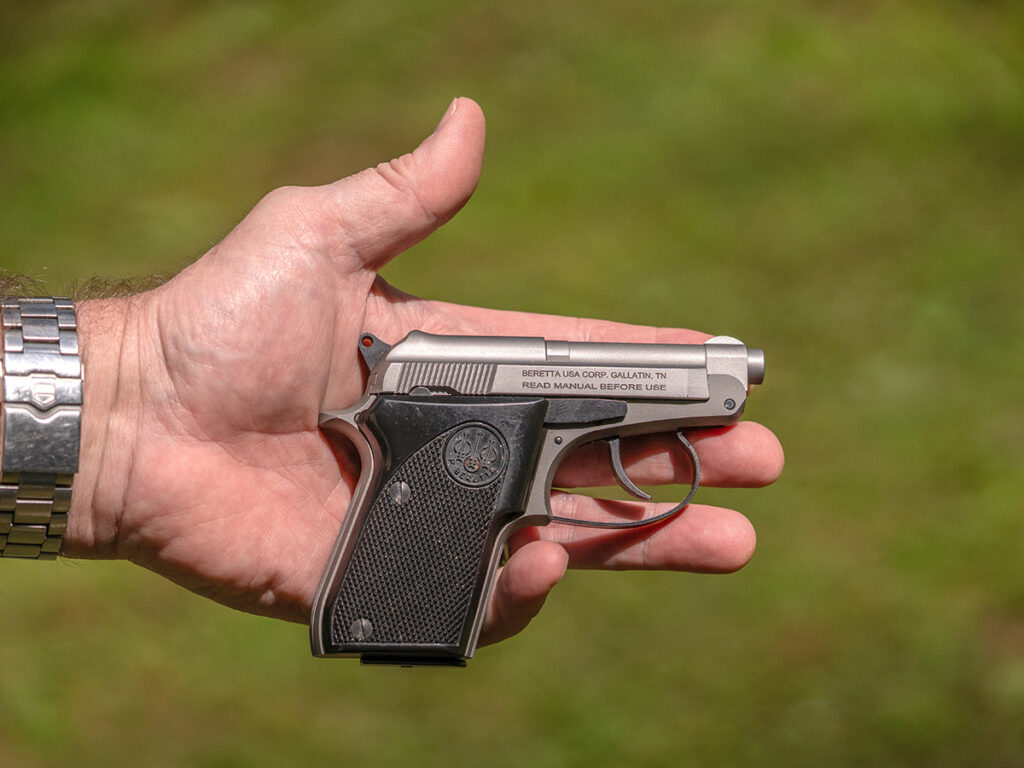
In attempting to answer the question of which cartridge is the most effective, the answer is really very simple: It’s the cartridge that’s capable of delivering the largest caliber bullet at the fastest velocity. However, between the three most popular cartridges, and even the .30 Super Carry, the distance between their effectiveness is not as broad as you might think. Given good shot placement, they will all work about the same.
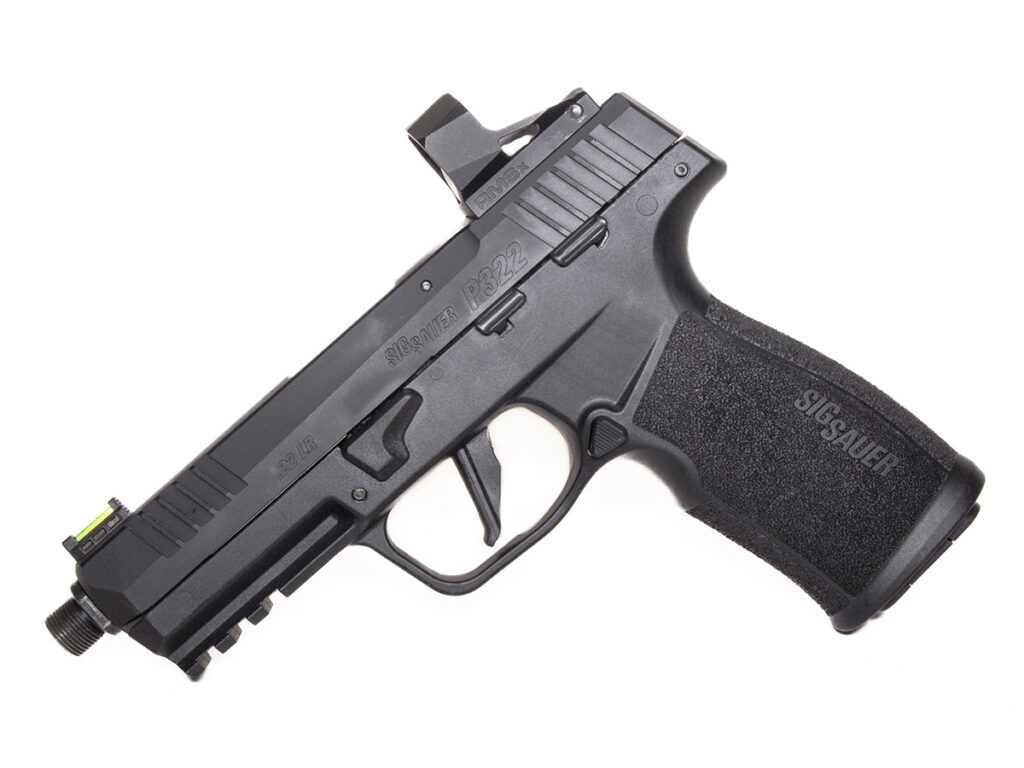
Rule 4: Choose the largest caliber cartridge with the fastest velocity that you can comfortably manage and shoot well, in a pistol that you can carry and conceal reasonably easy.
Starting Your Search
When all these considerations are looked at in totality, the little itty-bitty guns are often avoided because they’re either hard to shoot or because they do not offer optimum effectiveness. Conversely, the big pistols are rarely chosen because they’re very hard to comfortably carry and conceal.
Today, handgun weight is a great classifying metric and the compact handguns—weighing between 24 and 32 ounces—in 9mm Luger have become the most popular. This is because for most people they offer the best balance of carry ease, shootability and effectiveness with 100 percent reliability.
This classification of pistols is where I would suggest most start their search. You might find that a compact pistol in 9mm Luger recoils a bit much for your shooting comfort. Your option then is to step up to a full-size pistol or drop down to a lesser cartridge. If you find a compact 9mm soft shooting, you could opt for a more powerful cartridge that might be more effective or for a sub-compact pistol that could be easier to carry and conceal.
Most shooters trade or upgrade their carry gun in the first few years because they’re either looking for something that fits them better or because they want a better quality or more powerful pistol. There’s nothing wrong with that.
As you learn and become a better shooter, you might go through multiple pistols before you find the one that’s just right for you. However, if you’re just beginning your search or are unhappy with your first purchase, consider these four aspects of a carry pistol and maybe try a compact 9mm, at least as a point of departure.
Editor’s Note: This article originally appeared in the June 2026 issue of Gun Digest the Magazine.
More Concealed Carry Guns
Read the full article here