

As the Army faces queries for standing down its experimental drone battalion, service officials say the future of drone warfare is at every level of Army formations — not condensed into one designated unit.
At a Thursday media roundtable, Army leaders told reporters that the service was working to distribute the technology across the force — down to the squad level — while maintaining that the trial unit, formed less than a year prior, was always meant to be temporary.
The Army confirmed last month that it was shuttering the “Unmanned Assault Battalion,” a 600-member unit charged with learning from Ukraine’s fight against Russia and applying those lessons to the U.S. military. The announcement of its closure drew concern from lawmakers, who have pressed the Army for answers about how the U.S. will continue to draw on lessons from Ukraine.
“In Ukraine and Russia you’ve seen those armies create brigades and entire unmanned systems forces, whereas the U.S. Army’s approach has been to decentralize; to accelerate learning across all units,” Maj. Gen. Christopher Norrie, the acting Commanding General of U.S. Army Europe and Africa, said during the briefing. He later added that unit leadership was rotated through the Army’s “training support mission” in Ukraine’s capital. There, he said, they met with leadership from Ukraine’s drone units and studied their formations.
Norrie also said the U.S. Army is aiming to push one-way attack drones to the squad level by the end of this fiscal year, a feat Col. Gregory J. Merkl, who leads the drone dominance program for the Headquarters Department of the Army (HQDA), said is right now hindered predominantly by training. Merkl said the Army had already fielded 10,000 drones and is fielding an additional 30,000 — numbers he said were sufficient to supply the squad level.
“Where we still have some work to do, candidly, is getting everybody trained at the appropriate level,” he said in the briefing. “Right now, if you look across the force, you have that capability in every platoon. We still have a little bit of work to do in terms of getting qualified pilots down to the squad level.”
The Pentagon’s Drone Dominance program is a roughly $1 billion initiative to quickly purchase and integrate consumable, “lethal” American-made drones into the force.
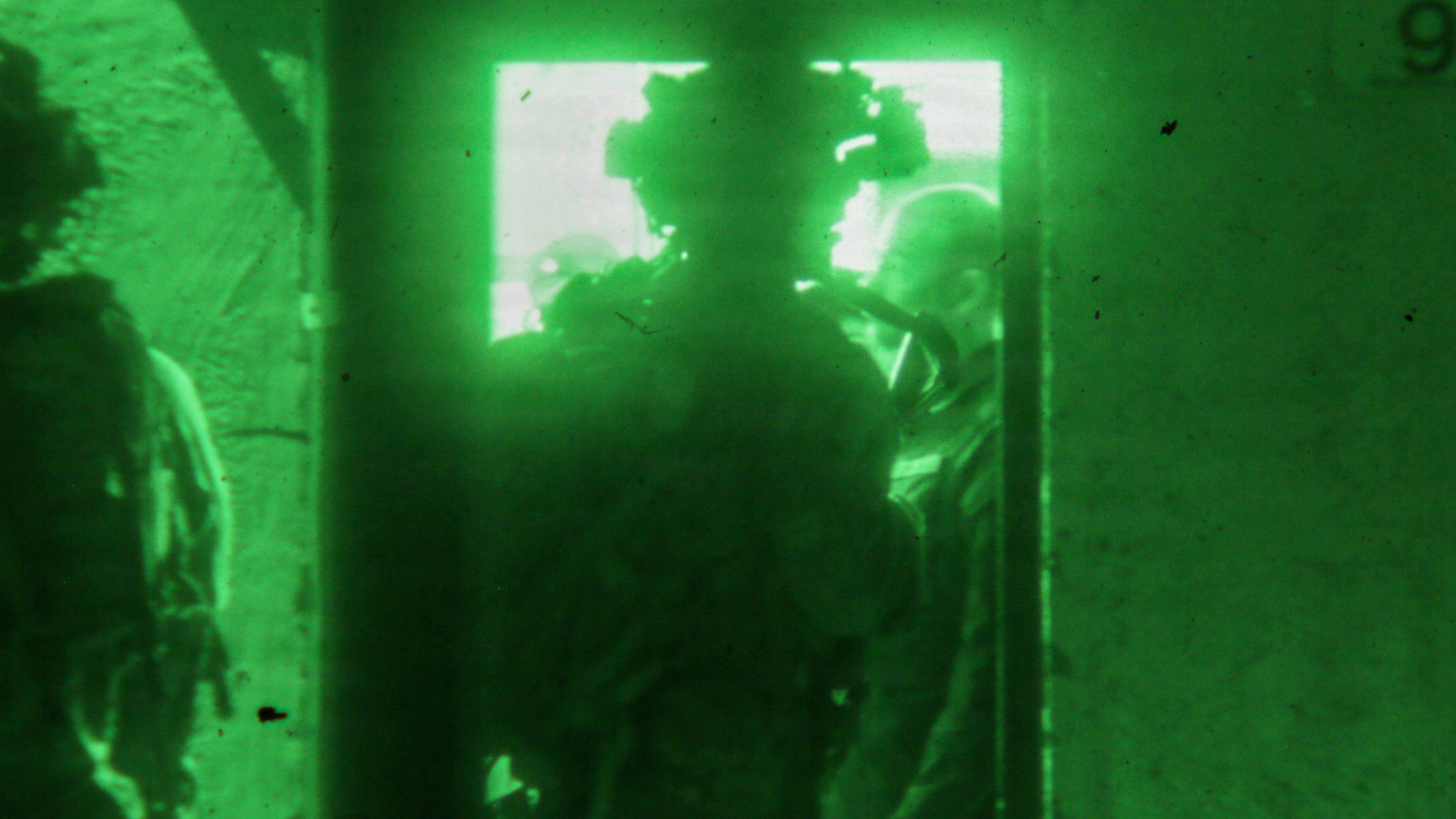
Officials said the experimental drone battalion would end after the conclusion of Exercise Saber Junction, a multinational training exercise in Germany. The exercise underscored the sheer number of drones a unit can expend in combat operations.
This exercise used 2,000 drones, half of them consumable, according to Brig. Gen. Terry R. Tillis, the commanding general of the 7th Army Training Command.
“That’s one of the things that we have seen used forward – they’re like a munition. They’re fired, and then it’s employing them in that manner to achieve effects on the battlefield,” he said.
Eve Sampson is a reporter and former Army officer. She has covered conflict across the world, writing for The New York Times, The Washington Post and The Associated Press.
Read the full article here